In today's global marketplace, furniture manufacturers exporting to Europe and North America face increasingly stringent safety regulations, particularly for children's products. Non-compliance can result in shipment delays, product recalls, and reputational damage. According to a 2023 report by the Consumer Product Safety Commission (CPSC), over 42% of furniture-related product recalls in the US were due to safety standard violations, with an estimated cost of $1.2 billion in lost revenue for manufacturers.
Key Insight:
Compliance with EN71 and ASTM standards is not merely a legal requirement but a competitive advantage that can increase buyer confidence and market access.
The European Union's EN71 standard and the United States' ASTM F400-09 regulation represent two of the most influential safety frameworks for children's furniture. While both aim to ensure product safety, they approach testing and compliance from different perspectives.
EN71, specifically parts 1-3, outlines safety requirements for toys and children's products. For sofa manufacturers, key focus areas include:
ASTM F400-09 provides detailed requirements for children's seating. Key differences from EN71 include:
Establishing an ISO 9001质量管理体系 is not just about certification—it's about creating a culture of quality that supports consistent compliance with international standards. A study by the International Organization for Standardization found that companies with ISO 9001 certification experience 23% fewer product defects and 31% faster resolution of compliance issues.
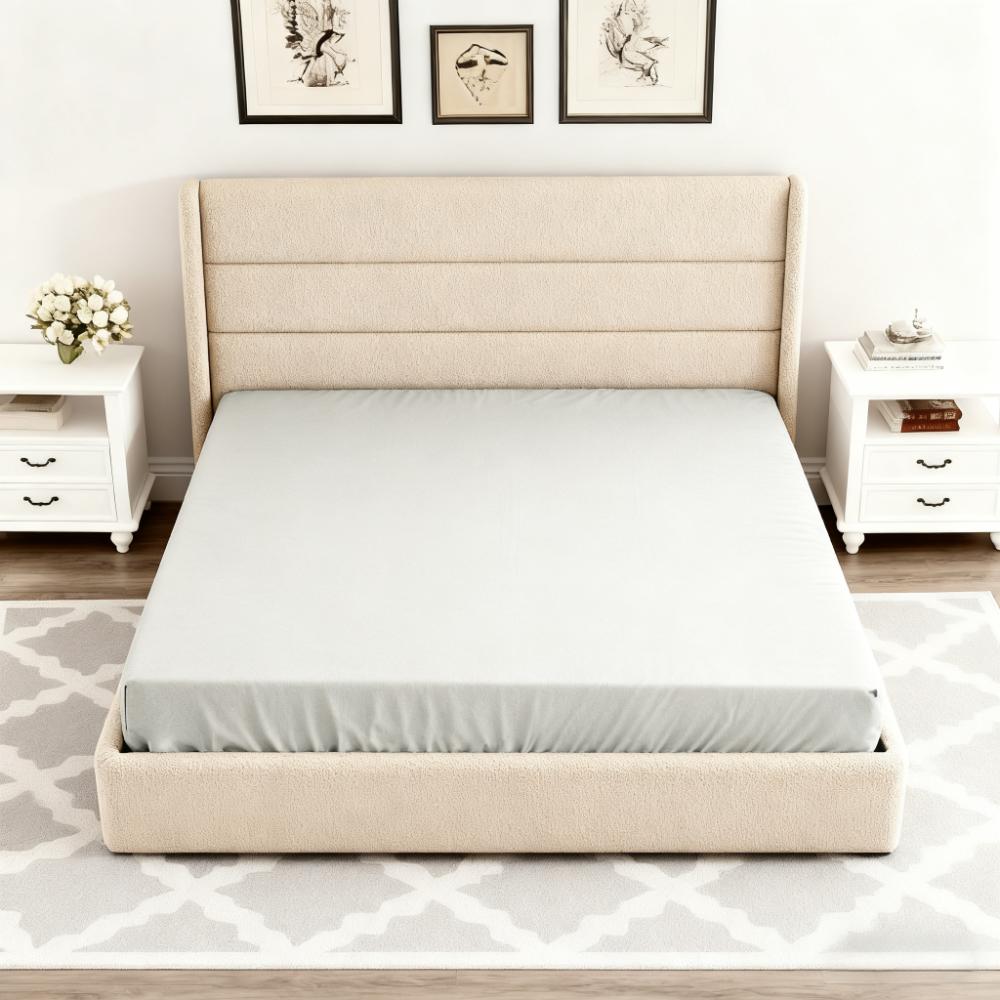
Practical Steps for Implementation:
1. Conduct a gap analysis between current processes and ISO 9001 requirements
2. Develop standardized work instructions for material testing and production
3. Implement document control systems for tracking compliance records
4. Train employees on quality management principles and testing protocols
5. Establish regular internal audits and management reviews
Overseas buyers increasingly conduct rigorous compliance audits before establishing partnerships. According to a 2023 survey by the American Furniture Manufacturers Association, 87% of US importers now require on-site compliance audits before placing initial orders.
Preparation is key to successful audits. Companies that maintain organized compliance documentation and conduct regular internal audits report 65% higher pass rates on first-time customer audits.
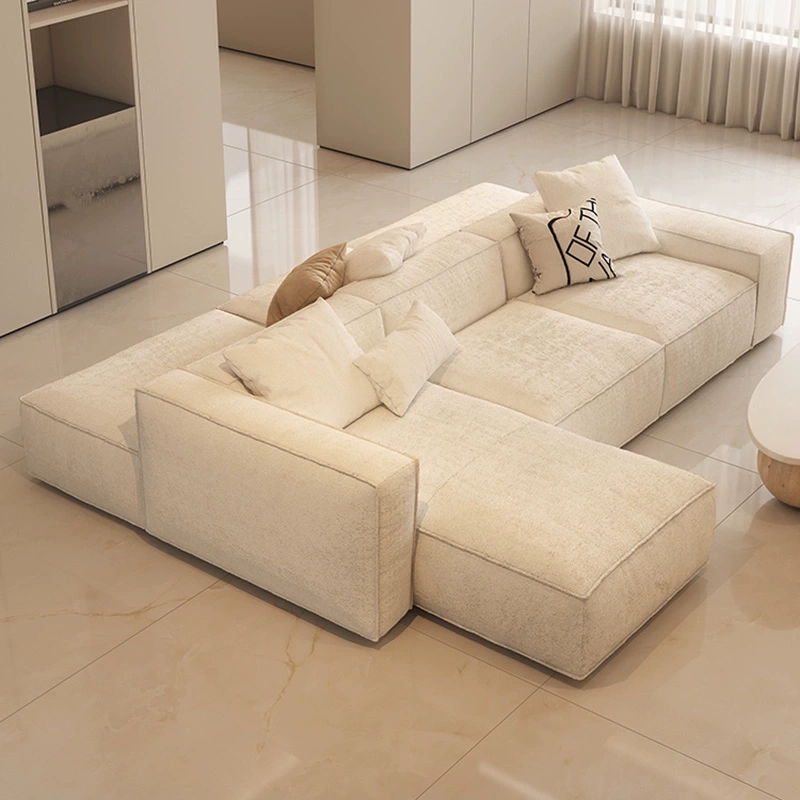
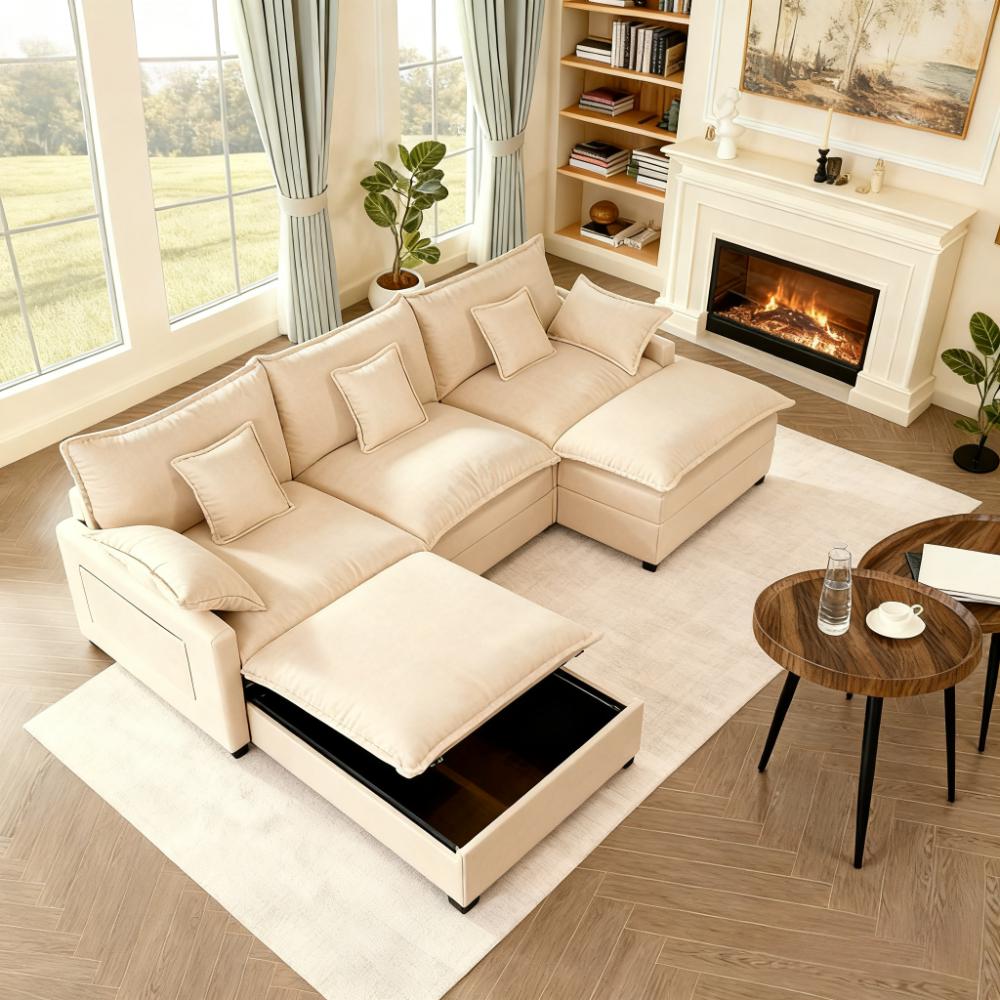
Modular furniture presents unique compliance challenges due to its multifunctional design. The 108-inch U-shaped modular cloud-comfort sofa demonstrates how thoughtful design can address both safety requirements and market appeal.
For B2B buyers, this combination of compliance and versatility translates to reduced liability, improved marketability, and greater customer satisfaction. The modular approach also offers logistical advantages, with 30% lower shipping costs compared to traditional sofa designs.
Discover how our compliance-verified modular furniture solutions can help you enter欧美 markets with confidence while meeting the strictest safety standards.
Explore Our EN71 & ASTM Compliant Furniture CollectionAs international safety regulations continue to evolve, partnering with manufacturers who prioritize compliance from design through production becomes increasingly critical. By understanding the specific requirements of each target market and implementing robust quality management systems, furniture exporters can turn regulatory compliance into a competitive advantage that drives market growth and customer trust.
 201
|
201
|
 hydraulic lift bed locking test
storage bed buying guide
hydraulic system stability
silent soft-close mechanism
eco-friendly furniture certification
175
|
small space L-shaped sofa
L-shaped sofa size guide
removable cushion sofa
small living room layout
space-saving sofa tips
182
|
silent drawer slides
storage bed noise reduction
EN71 standard
ASTM F400 certification
home storage solutions
334
|
EN71 standard analysis
ASTM furniture safety
ISO9001 quality management system
furniture export certification
modular sofa customization
233
|
high-density foam sofa
modular sofa structure design
anti-collapse sofa
resilience performance analysis
pine wood frame sofa
hydraulic lift bed locking test
storage bed buying guide
hydraulic system stability
silent soft-close mechanism
eco-friendly furniture certification
175
|
small space L-shaped sofa
L-shaped sofa size guide
removable cushion sofa
small living room layout
space-saving sofa tips
182
|
silent drawer slides
storage bed noise reduction
EN71 standard
ASTM F400 certification
home storage solutions
334
|
EN71 standard analysis
ASTM furniture safety
ISO9001 quality management system
furniture export certification
modular sofa customization
233
|
high-density foam sofa
modular sofa structure design
anti-collapse sofa
resilience performance analysis
pine wood frame sofa