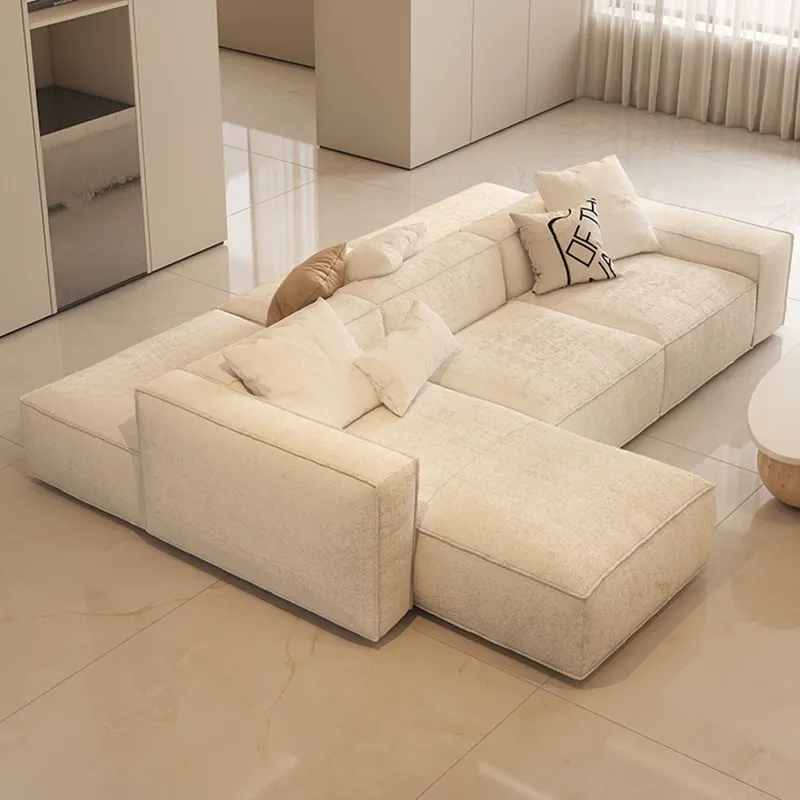
1) Material approval: lock fabric/foam/adhesive suppliers, create an RSL checklist, and store batch COAs with roll/lot IDs.


For B2B buyers and exporters, “compliance” is not paperwork—it’s a market access strategy. This guide breaks down how EN71-related safety logic is applied in sofa-style products (especially modules used in family spaces), how it compares with ASTM practice, and what test evidence typically satisfies EU/US customer audits. Along the way, it maps flame performance, material eco-requirements, and structural safety checks into a step-by-step workflow that teams can implement.
Interactive check: Which standards does your sofa currently meet—EN, ASTM, ISO-based internal specs, or customer-specific requirements? Listing them now will make the rest of this article immediately actionable.
In real procurement, buyers rarely ask for “one standard.” They ask for a risk-managed combination of test reports that match intended users, marketing claims, and local regulations. EN71 is widely recognized as a children’s product safety framework in the EU, while ASTM standards are commonly referenced in the US. For sofa-type products, the practical challenge is that family living spaces blur the line between “general furniture” and “children’s use scenarios” (think: modular seats, low-height poufs, play-like rearrangement).
| Dimension | EN71 (EU safety logic) | ASTM F400-09 (US practice reference) | What B2B buyers often request |
|---|---|---|---|
| Primary scope | Children’s product safety framework: mechanical/physical risks + chemical safety. | US-oriented safety performance approach; often paired with other ASTM methods. | A blended matrix: mechanical tests + restricted substances + flammability evidence. |
| Mechanical & structural | Pinch points, small parts, sharp edges, entrapment risks, stability logic. | More performance-driven; may align with customer-defined load/stability criteria. | Static load + cyclic durability + tip-over screening + connector strength. |
| Chemical requirements | Heavy metals migration & restricted substances logic; supports safer materials for children. | Often combined with CPSIA, state regulations, or retailer RSL. | Phthalates, formaldehyde/VOC, azo dyes, PAHs, PFAS restrictions (retailer-led). |
| Outcome for exporters | Evidence-based compliance narrative + strong technical file discipline. | US buyers want test traceability and consistent QA control across batches. | Fewer surprises during audits; faster onboarding into approved supplier lists. |
Buyer reality: Many EU importers do not purchase “a standard”—they purchase risk reduction. If the product is promoted as family-friendly, kid-safe, or modular/play-adaptable, they will expect EN-style mechanical/chemical logic even when the item is categorized as furniture.
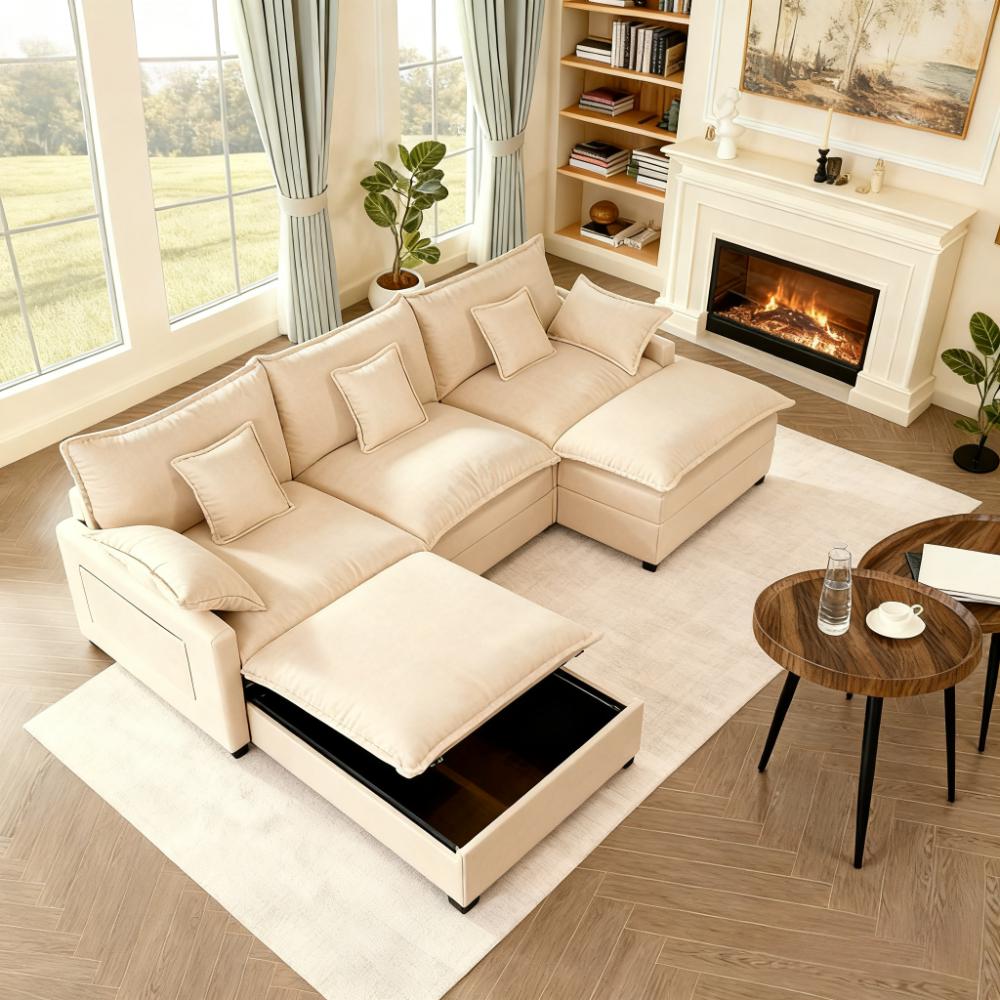
Fire performance is one of the fastest ways for a sourcing project to stall—mainly because “flammability” can mean different things: surface ignition resistance, heat release, smoke generation, and toxic gas considerations. For sofas, procurement teams commonly request a component-based view (cover fabric + interliner + foam/filling) plus a finished-product narrative explaining why the structure does not create unexpected ignition pathways.
Burn rate & ignition behavior: Buyers want to see how quickly upholstery materials ignite and propagate flame under controlled exposure. In internal sourcing benchmarks, fabrics with slower burn propagation can reduce recall risk and protect brand reputation.
Smoke density: In practical risk assessments, smoke is treated as a major hazard. Importers may ask for smoke-related evidence or at least a documented rationale based on materials selection and supplier declarations.
Toxic gas release screening: While not always mandatory in every furniture channel, sophisticated buyers (especially contract, hospitality, and premium DTC brands) increasingly ask what happens under thermal decomposition—particularly when foam systems or coatings are involved.
Practical tip for exporters: Present flammability evidence in a “bill of materials” format. One test report is helpful; a traceable set (fabric lot + foam batch + supplier CoC + production date range) is what clears customer audits faster.
As a benchmark used by some sourcing teams, a complete compliance pack often includes 2–4 third-party reports (cover + filling + finished structure) and is refreshed every 12–24 months or whenever a critical material changes. This is not bureaucracy; it prevents the most common “re-test surprise” during a retailer onboarding cycle.
Chemical compliance is where sofa projects lose time because it’s multi-layered: textile dyes, coatings, zippers, thread, foam additives, adhesives, and even packaging inks can become risk points. For EU-aligned buyers, the expectation is a structured restricted substances approach—either directly mapped to EN-style logic for children’s safety, or to a retailer RSL that is stricter than law.
| Material area | Typical concern | Common buyer reference limits (market practice) | How to de-risk fast |
|---|---|---|---|
| Cover fabric / coating | Azo dyes, formaldehyde, PFAS, color fastness-related chemicals | Formaldehyde often targeted at ≤ 75 mg/kg for sensitive categories; PFAS increasingly “intentionally added: none” | Require dye-house declarations + periodic third-party verification |
| Foam / filling | VOC odor, flame retardant legacy chemicals, PAHs | PAHs in rubber-like components often screened to ≤ 1 mg/kg for key PAHs (buyer programs vary) | Lock approved foam formulations; control substitutions |
| PVC / soft plastics | Phthalates in flexible parts | Phthalates often expected at ≤ 0.1% per substance in regulated programs | Avoid PVC where possible; request full phthalate panel |
| Adhesives / boards | Formaldehyde emission, VOCs | Low-emission sourcing; customer may ask for E0/E1-aligned proof or VOC reports | Use supplier audits + incoming inspection + batch labeling |
Documentation buyers trust: a restricted substances list (RSL) aligned to target markets, supplier Declarations of Conformity, and at least one random-batch chemical verification per quarter for high-risk materials. Many teams also add a “change control” rule: any new fabric/foam supplier triggers re-testing.
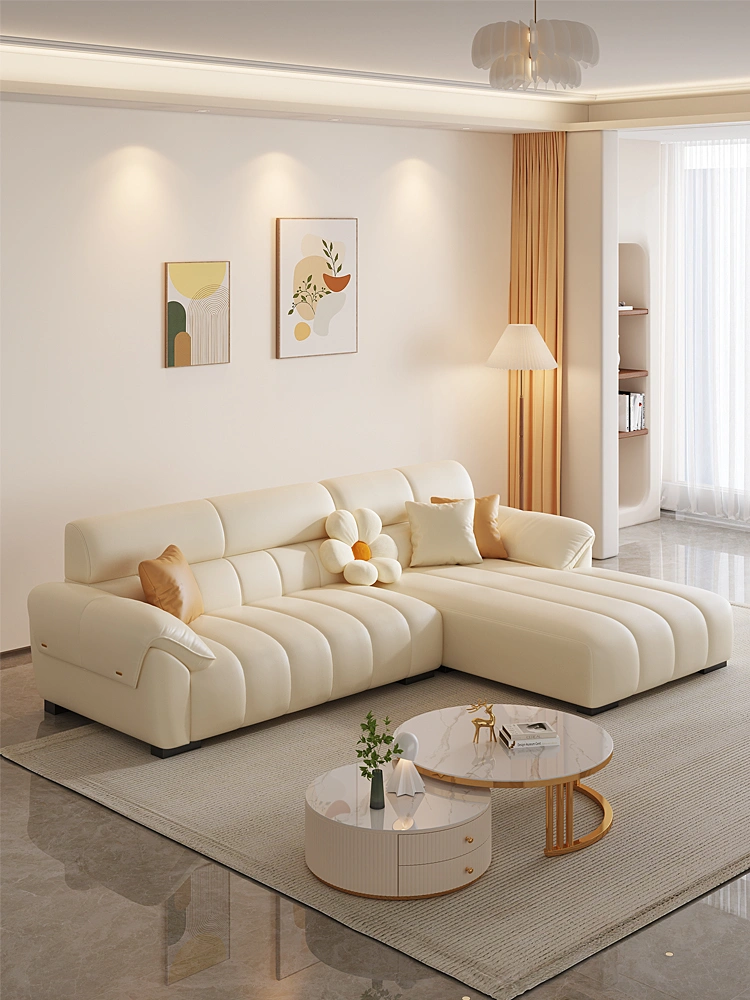
For sofas—especially modular ones—structure is not only a comfort topic; it’s a safety topic. B2B customers typically evaluate whether the product behaves predictably when a user sits on an edge, drops into a seat, or uses modules in unintended configurations. A strong compliance strategy treats these as predictable misuse scenarios, not rare events.
What buyers listen for: “We tested it” is weaker than “We tested it under defined scenarios and locked the design.” Export teams who specify test setups (load points, module configurations, floor surfaces, connector versions) reduce back-and-forth by weeks.
Third-party reports open the door. ISO 9001-style process control keeps it open. When overseas customers conduct supplier audits, they are often looking for a simple truth: will the next production batch be identical in risk profile to the tested sample?
1) Material approval: lock fabric/foam/adhesive suppliers, create an RSL checklist, and store batch COAs with roll/lot IDs.
2) Change control: any change in GSM, coating recipe, foam density, or connector design triggers a risk review and, if needed, re-testing.
3) In-line QC points: seam strength/appearance, connector fit, and dimensional tolerance checks prevent “passed sample vs. shipped bulk” gaps.
4) Compliance record pack: test reports, declarations, labeling/packaging proofs, and traceability logs ready within 24–48 hours for buyer review.
Expert viewpoint (audit-facing): “A test report answers whether one sample was safe. A quality system answers whether the supplier can produce the same safety profile every time.” This is why buyers increasingly score suppliers on process maturity, not only on certificates.
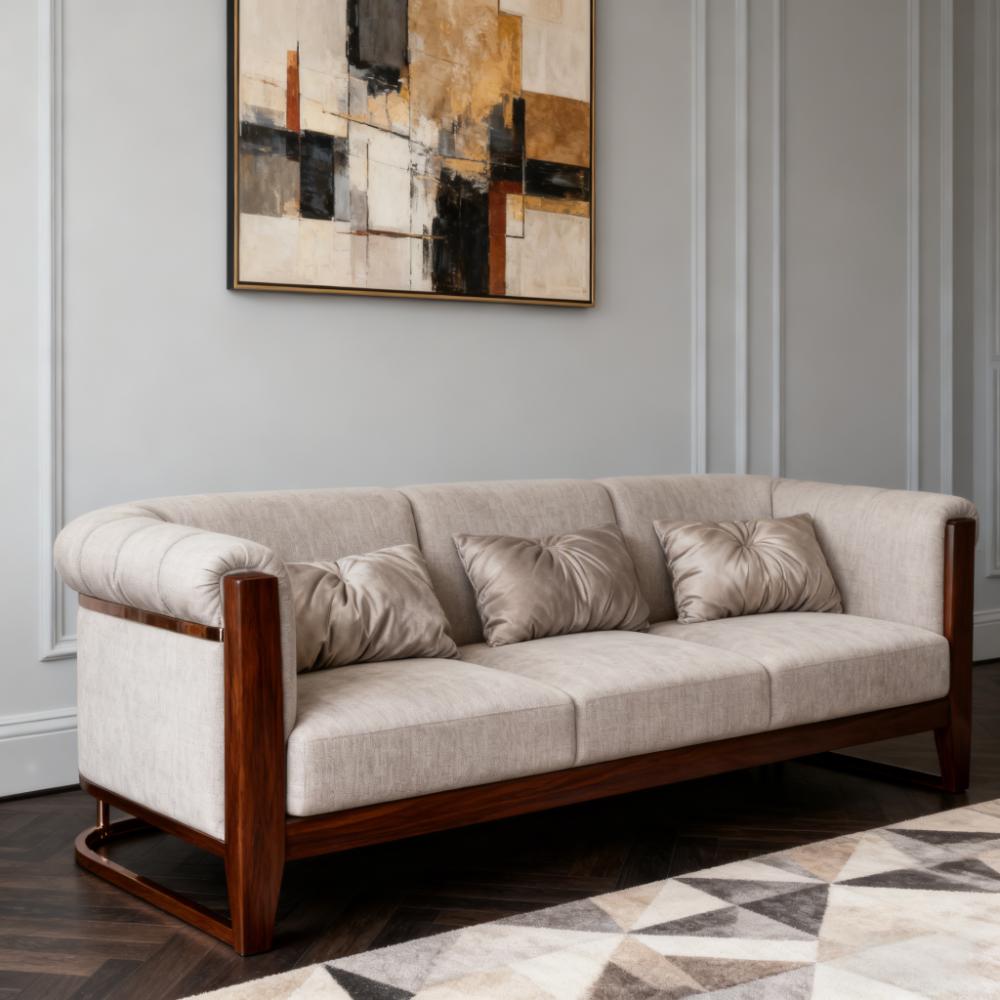
Audit calls and email questionnaires often decide supplier approval faster than product development itself. Below are typical questions procurement teams ask, plus professional response templates that keep answers precise and verifiable.
Interactive prompt: If a buyer asked today, “Show me the latest test reports and the bill of materials they cover,” could your team deliver it within 48 hours—without searching across multiple chats and spreadsheets?
A China-based sofa manufacturer entering the EU market standardized its compliance pack around EN-style safety logic (mechanical risk screening + chemical RSL discipline + flammability evidence). Within 6 months, the brand reduced customer compliance questions by about 35% (measured by fewer email loops and re-submissions), shortened onboarding time from roughly 8–10 weeks to 4–6 weeks, and improved sample-to-order conversion from around 12% to 18% in EU-focused accounts.
The key operational shift was not “more testing.” It was test scope discipline: locking the bill of materials, labeling every material lot, and setting a clear rule for when re-testing is mandatory. For B2B buyers, that consistency signals lower risk—and low risk wins supplier lists.
If you’re sourcing or exporting modular seating, compliance is easier when it’s designed into materials, connectors, and documentation from day one. Get a clearer path to EN71/ASTM-aligned testing, restricted substances control, and audit-ready traceability.
Explore our EN71/ASTM-compliant Modular Cloud-Feel Sofa SolutionTypical buyer materials available on request: test report list, RSL overview, bill of materials traceability sample, and audit Q&A pack.
 343
|
343
|
 small living room L-shaped sofa dimensions
compact sofa recommendations
velvet L-shaped sofa
removable cushion sofa
modern home furniture design
379
|
silent slides
storage bed procurement
drawer noise control
ball bearing rail technology
EN71 safety standards
258
|
Storage bed design techniques
Small bedroom storage
Hydraulic lift bed
Modern minimalist furniture
Eco - friendly home products
73
|
sofa durability
high - density sponge material
sofa fabric comparison
modular sofa assembly
comfortable sofa recommendation
327
|
Silent slide rail technology
Storage bed drawer noise
Home storage solutions
Ball - bearing guide principle
Sleep environment optimization
small living room L-shaped sofa dimensions
compact sofa recommendations
velvet L-shaped sofa
removable cushion sofa
modern home furniture design
379
|
silent slides
storage bed procurement
drawer noise control
ball bearing rail technology
EN71 safety standards
258
|
Storage bed design techniques
Small bedroom storage
Hydraulic lift bed
Modern minimalist furniture
Eco - friendly home products
73
|
sofa durability
high - density sponge material
sofa fabric comparison
modular sofa assembly
comfortable sofa recommendation
327
|
Silent slide rail technology
Storage bed drawer noise
Home storage solutions
Ball - bearing guide principle
Sleep environment optimization