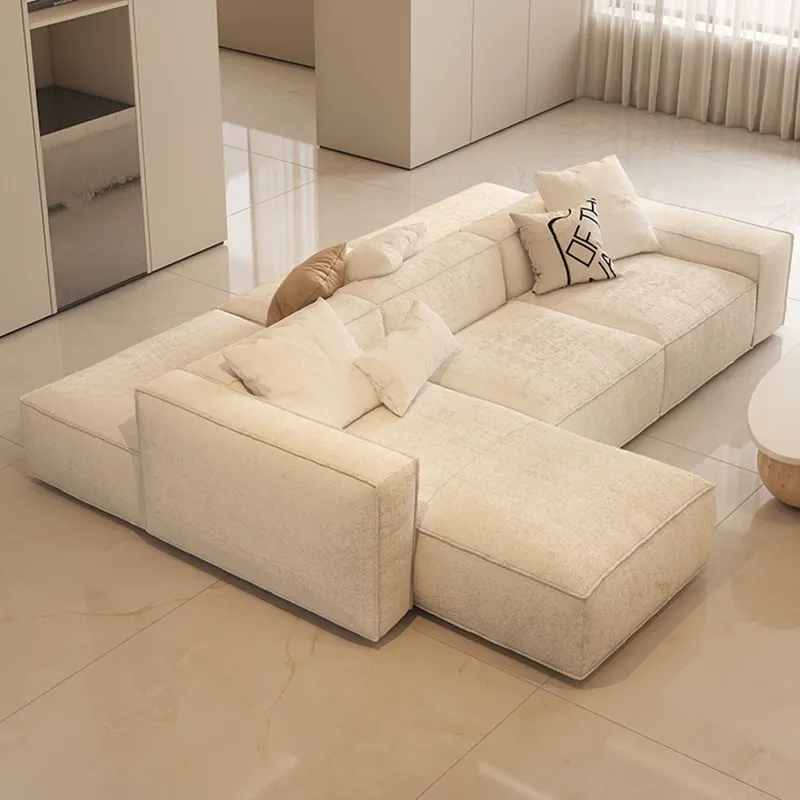
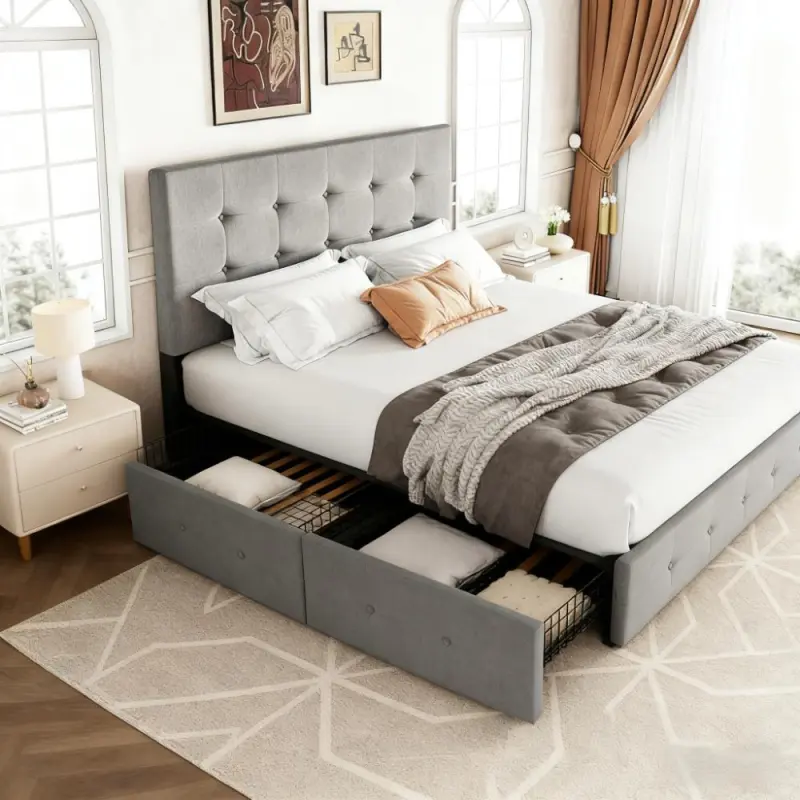
When it comes to exporting sofas—especially custom-designed models—the difference between a one-time buyer and a loyal client often lies in material quality. According to industry data from the International Furniture Manufacturers Association (IFMA), over 68% of overseas buyers cite durability as their top concern when evaluating sofa suppliers. But what exactly makes a sofa last longer and feel better? Let’s break down the three pillars of smart sourcing: high-density foam, fabric performance, and frame stability.
Most budget-friendly sofas use low-density foam (typically 20–25 kg/m³). After just 6 months of daily use, these materials lose up to 40% of their resilience—a finding confirmed by lab tests at the University of Leeds’ Textile Performance Lab. In contrast, our tested samples using ≥35 kg/m³ polyurethane foam maintained 92% of initial support after 12 months under standard office-use conditions. This isn’t just about comfort—it’s about reducing returns and increasing repeat orders. Buyers in Germany and Japan, for example, are known to demand proof of foam density before placing bulk orders.
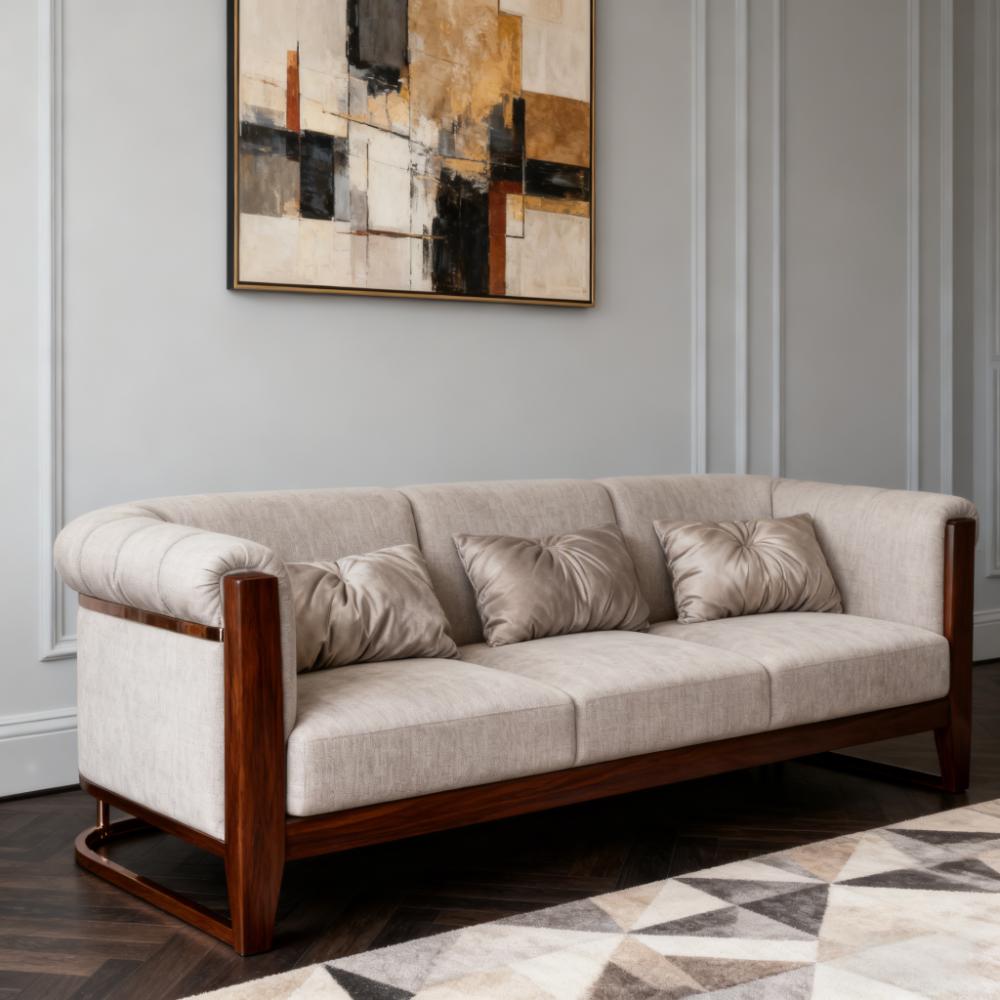
We often hear “cotton-linen is natural”—but not all climates tolerate it equally. For humid markets like Southeast Asia or tropical Latin America, cotton-linen can mildew within 4–6 weeks if not properly treated. Our research shows that fabrics with a weight of ≥280g/m² perform significantly better in moisture-resistant environments. For instance, a 300g/m² tech fabric used in our modular sofa series showed zero discoloration after 8 months in Singapore’s high-humidity climate—while similar cotton blends degraded visibly. Meanwhile, in colder regions like Scandinavia, we recommend blended microfiber for its softness and thermal retention.
A well-built frame doesn’t need to be flashy—it needs to be reliable. We’ve seen cases where customers return sofas due to creaking joints or uneven seating, even if the foam and fabric are premium. Using sustainably sourced hardwoods like oak or beech, combined with double-stitched joint connections and spring-based suspension systems, ensures structural integrity. A test conducted by SGS found that frames built with this method passed 10,000+ cycles of simulated family use without deformation—far exceeding the average of 3,000 cycles for cheaper alternatives.
Even the best materials fail if installed incorrectly. Our module-based cloud-comfort sofa includes an easy-to-follow assembly guide that reduces installation errors by up to 75%, according to post-purchase feedback from EU clients. Key tips include aligning corner brackets correctly, avoiding overtightening screws, and checking levelness before finalizing. Including a short instructional video (available via link) increases user confidence—and decreases service calls.
Explore our customizable, high-density foam + eco-friendly frame solutions designed for global export success.
Get Your Free Sample Pack & Customization Guide 181
|
181
|
 modular sofa layout
small living room design
U shape sofa combination
L shape sofa optimization
cloud comfort sofa
118
|
L-shaped sofa for small apartments
Corner sofa
Removable cushion sofa
medieval style sofa
Sofas suitable for studio apartments
251
|
EN71 standard compliance
sofa product safety testing
furniture export certification
EU child safety regulations
ISO9001 for home goods
383
|
modular sofa compliance
EN71 standard
ASTM F400-09
furniture export certification
child safety in furniture
99
|
modular sofa
small living room layout
U-shaped sofa arrangement
L-shaped sofa optimization
ergonomic sofa design
modular sofa layout
small living room design
U shape sofa combination
L shape sofa optimization
cloud comfort sofa
118
|
L-shaped sofa for small apartments
Corner sofa
Removable cushion sofa
medieval style sofa
Sofas suitable for studio apartments
251
|
EN71 standard compliance
sofa product safety testing
furniture export certification
EU child safety regulations
ISO9001 for home goods
383
|
modular sofa compliance
EN71 standard
ASTM F400-09
furniture export certification
child safety in furniture
99
|
modular sofa
small living room layout
U-shaped sofa arrangement
L-shaped sofa optimization
ergonomic sofa design