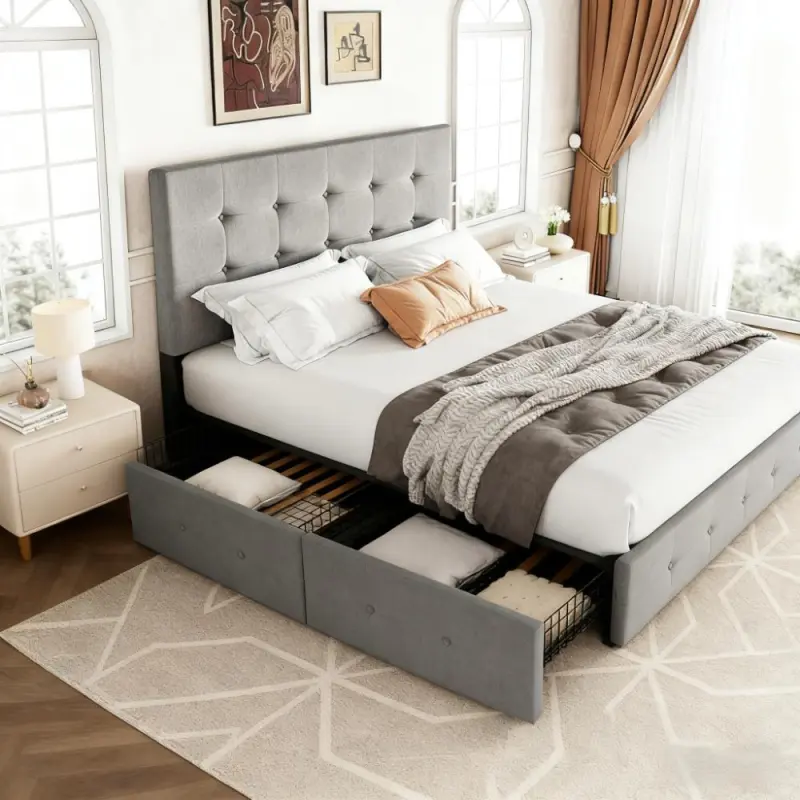
As global consumers increasingly demand safer, healthier homes, furniture manufacturers must go beyond aesthetics and prioritize compliance with international environmental standards. For B2B exporters targeting North America, Europe, or the Middle East, understanding key certifications such as FSC, CARB, and REACH isn’t just good practice—it’s a competitive necessity.
The Forest Stewardship Council (FSC) certification ensures that wood used in furniture frames comes from responsibly managed forests. According to FSC’s 2023 report, over 170 million hectares of forest are now FSC-certified globally—representing about 10% of all forest land. This traceability gives importers confidence in ethical sourcing and reduces risk of supply chain disruption due to regulatory scrutiny.
In California and many U.S. states, the California Air Resources Board (CARB) mandates strict limits on formaldehyde emissions from composite wood products like particleboard and medium-density fiberboard (MDF). CARB Phase 2 requires emission levels below 0.05 parts per million—a standard now adopted by EU and Canadian buyers as well. A study by the University of Washington found that CARB-compliant furniture can reduce indoor air pollution by up to 60% compared to non-certified alternatives.
For upholstery fabrics and finishes, REACH (Registration, Evaluation, Authorization and Restriction of Chemicals) is critical. It restricts over 200 substances—including phthalates, heavy metals, and flame retardants—that could pose health risks. In 2022, EU customs rejected more than 4,000 shipments of non-REACH-compliant textiles—underscoring how vital this regulation is for market access.
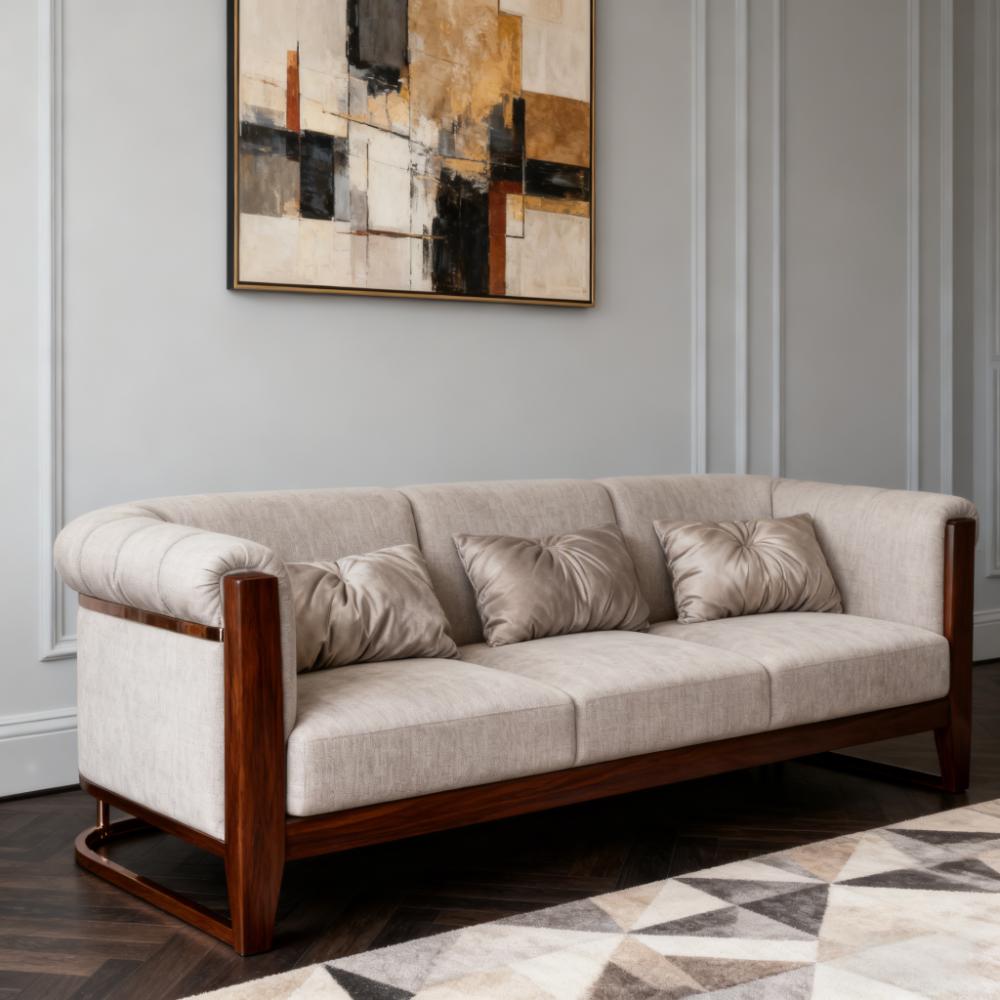
Real-world impact? Consider a case from Germany where a major retailer switched to FSC + CARB-certified sofas. Within one year, customer complaints dropped by 37%, and repeat orders increased by 22%. Buyers weren't just paying for style—they were investing in trust, longevity, and peace of mind.
Certifications ensure material safety—but smart design elevates user experience. Rounded edges, anti-slip feet, and stable base structures aren’t just “nice-to-haves.” They’re essential for families with children or elderly users. In fact, a 2023 UK Consumer Product Safety Report showed that 43% of furniture-related injuries stemmed from unstable or poorly designed pieces—not poor materials.
Explore our range of certified materials—from FSC-approved hardwoods to CARB-compliant MDF and REACH-safe textiles—and learn how we tailor solutions for your brand’s unique needs.
See How Our Certified Materials Can Elevate Your Product Line 184
|
184
|
 modular sofa layout
small living room design
U shape sofa combination
L shape sofa optimization
cloud comfort sofa
179
|
sofa fabric durability
microfiber vs faux leather
martindale test for upholstery
eco-friendly furniture materials
low formaldehyde sofa
322
|
storage bed storage techniques
small - sized bedroom space utilization
hydraulic lifting bed design
home storage guide
modern minimalist furniture
393
|
silent drawer slide selection
storage bed silent technology
EN71 drawer slide standards
drawer slide quality testing
furniture hardware procurement
211
|
Sofa abrasion test
Velvet sofa environmental standards
Furniture formaldehyde detection
E1 - grade board certification
Export furniture quality assurance
modular sofa layout
small living room design
U shape sofa combination
L shape sofa optimization
cloud comfort sofa
179
|
sofa fabric durability
microfiber vs faux leather
martindale test for upholstery
eco-friendly furniture materials
low formaldehyde sofa
322
|
storage bed storage techniques
small - sized bedroom space utilization
hydraulic lifting bed design
home storage guide
modern minimalist furniture
393
|
silent drawer slide selection
storage bed silent technology
EN71 drawer slide standards
drawer slide quality testing
furniture hardware procurement
211
|
Sofa abrasion test
Velvet sofa environmental standards
Furniture formaldehyde detection
E1 - grade board certification
Export furniture quality assurance