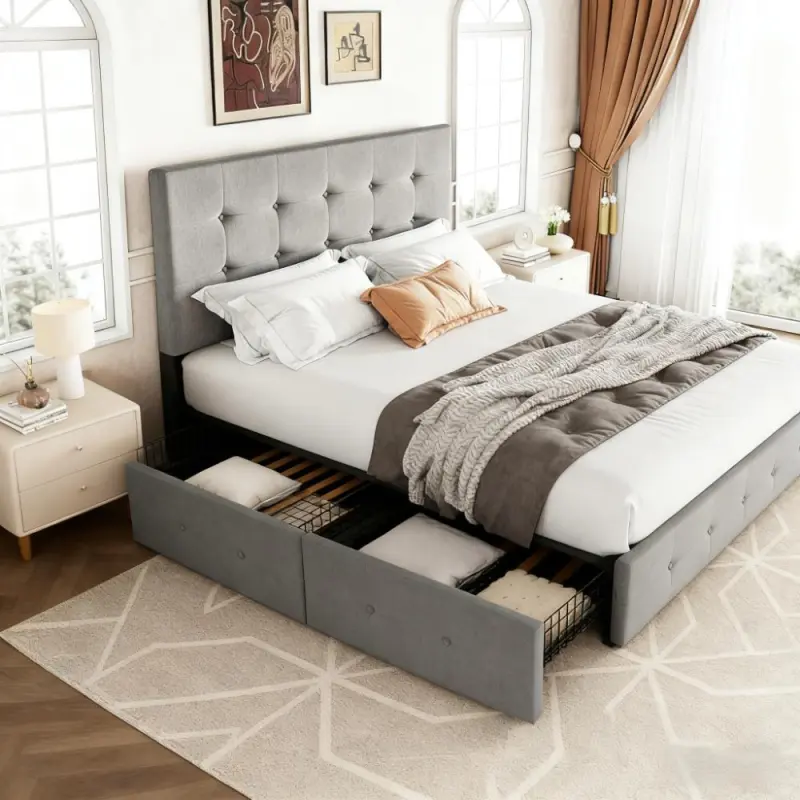
For importers sourcing furniture from Asia to Europe or North America, understanding environmental certifications isn’t just a compliance step—it’s a strategic advantage. Among the most trusted standards globally, FSC (Forest Stewardship Council) certification ensures that wood used in furniture comes from responsibly managed forests. According to FSC’s 2023 global audit report, over 200 million hectares of forest are now certified under FSC—enough to cover more than 50% of the world’s tropical hardwood supply.
While many suppliers claim “eco-friendly” materials, only FSC-certified wood offers verifiable traceability—from tree to shelf. This means every piece of timber used in your furniture can be tracked back to its origin, reducing risks like illegal logging or unsustainable harvesting practices. For example, in the EU, non-compliant wood products face up to 10% import tariffs under the EU Timber Regulation (EUTR), making FSC not just ethical but economically smart.
Importers should also consider complementary certifications such as CARB Phase 2 (California Air Resources Board) and REACH (European Chemicals Agency). These ensure low emissions of formaldehyde and banned chemicals—critical for indoor air quality, especially in children’s rooms or pet-friendly homes.
Taking the modern hydraulic storage bed from Zhengzhou Qingpufang Furniture as an example, this product uses FSC-certified solid oak frames combined with high-density MDF panels treated with moisture-resistant coatings. Independent lab tests show these materials reduce water absorption by up to 70% compared to standard plywood—an essential feature for humid climates like Southeast Asia or coastal U.S. markets.
The design includes rounded edges and anti-slip rubber feet, addressing safety concerns common among European and U.S. buyers who prioritize child-safe environments. In fact, a 2022 survey by Inter IKEA Group found that 68% of consumers rated “non-toxic materials” and “rounded corners” as top priorities when buying new bedroom furniture.
Not all “green” claims are equal. Many manufacturers use vague terms like “natural” or “sustainable” without third-party verification. To avoid greenwashing, always request FSC Chain of Custody (CoC) documentation. This includes batch numbers, supplier details, and transport logs—key data points that prevent mislabeling.
When evaluating suppliers, compare their material specs against FSC’s public database. You’ll find that genuine FSC partners often provide full transparency—not just marketing copy. That level of accountability builds trust with end customers and strengthens your brand positioning in premium markets.
As global regulations tighten—especially in the EU and California—importers who act now will gain early-mover advantages. Whether you're sourcing for retail chains, interior designers, or direct-to-consumer brands, choosing FSC-certified furniture is no longer optional—it's foundational to long-term market success.
Get access to our full catalog of FSC-certified furniture designs, including customizable options for pet-friendly, moisture-resistant, and child-safe interiors.
See How We Build Trusted Furniture Partnerships 201
|
201
|
 hydraulic lift bed locking test
storage bed buying guide
hydraulic system stability
silent soft-close mechanism
eco-friendly furniture certification
182
|
silent drawer slides
storage bed noise reduction
EN71 standard
ASTM F400 certification
home storage solutions
322
|
storage bed storage techniques
small - sized bedroom space utilization
hydraulic lifting bed design
home storage guide
modern minimalist furniture
424
|
furniture environmental certification
FSC wood certification
CARB formaldehyde standards
abrasion-resistant tech fabric
solid wood furniture durability
124
|
furniture environmental certification
FSC certified wood
CARB compliant furniture
REACH compliant materials
eco-friendly home furnishings
hydraulic lift bed locking test
storage bed buying guide
hydraulic system stability
silent soft-close mechanism
eco-friendly furniture certification
182
|
silent drawer slides
storage bed noise reduction
EN71 standard
ASTM F400 certification
home storage solutions
322
|
storage bed storage techniques
small - sized bedroom space utilization
hydraulic lifting bed design
home storage guide
modern minimalist furniture
424
|
furniture environmental certification
FSC wood certification
CARB formaldehyde standards
abrasion-resistant tech fabric
solid wood furniture durability
124
|
furniture environmental certification
FSC certified wood
CARB compliant furniture
REACH compliant materials
eco-friendly home furnishings