When shopping for a new sofa—especially one made from premium materials like velvet—you might see claims like “tested to 30,000 rub cycles” or “E1-certified.” But what do these numbers really mean?
In this guide, we break down the science behind fabric durability and environmental safety so you can make informed decisions—not just based on aesthetics, but on real-world performance.
The most widely recognized method for evaluating upholstery fabric wear is the Martindale abrasion test, used globally by furniture manufacturers and regulatory bodies alike. It simulates repeated friction—like daily sitting, leaning, or even children playing—by rubbing fabric against a standardized abrasive surface under controlled pressure.
A rating of 30,000+ cycles means the material has passed rigorous testing equivalent to being sat on about 5 times per day for over 16 years—assuming no major damage occurs. That’s not just durable—it’s built for long-term value.
Not all fabrics are created equal:
For homeowners, office managers, or interior designers seeking low-maintenance, high-value pieces, choosing a fabric that exceeds 30,000 cycles ensures fewer replacements and lower lifetime costs—even in high-use environments like apartments or small offices.
Even the most durable fabric isn’t safe if it emits harmful chemicals. The E1 standard (≤ 0.05 mg/m³ formaldehyde emission) is now mandatory in many markets—including the EU, China, and parts of the Middle East—for indoor furniture products.
This isn’t just compliance—it’s health protection. High-quality sofas should meet or exceed E1 standards, especially those intended for nurseries, offices, or elderly care spaces where air quality directly impacts well-being.
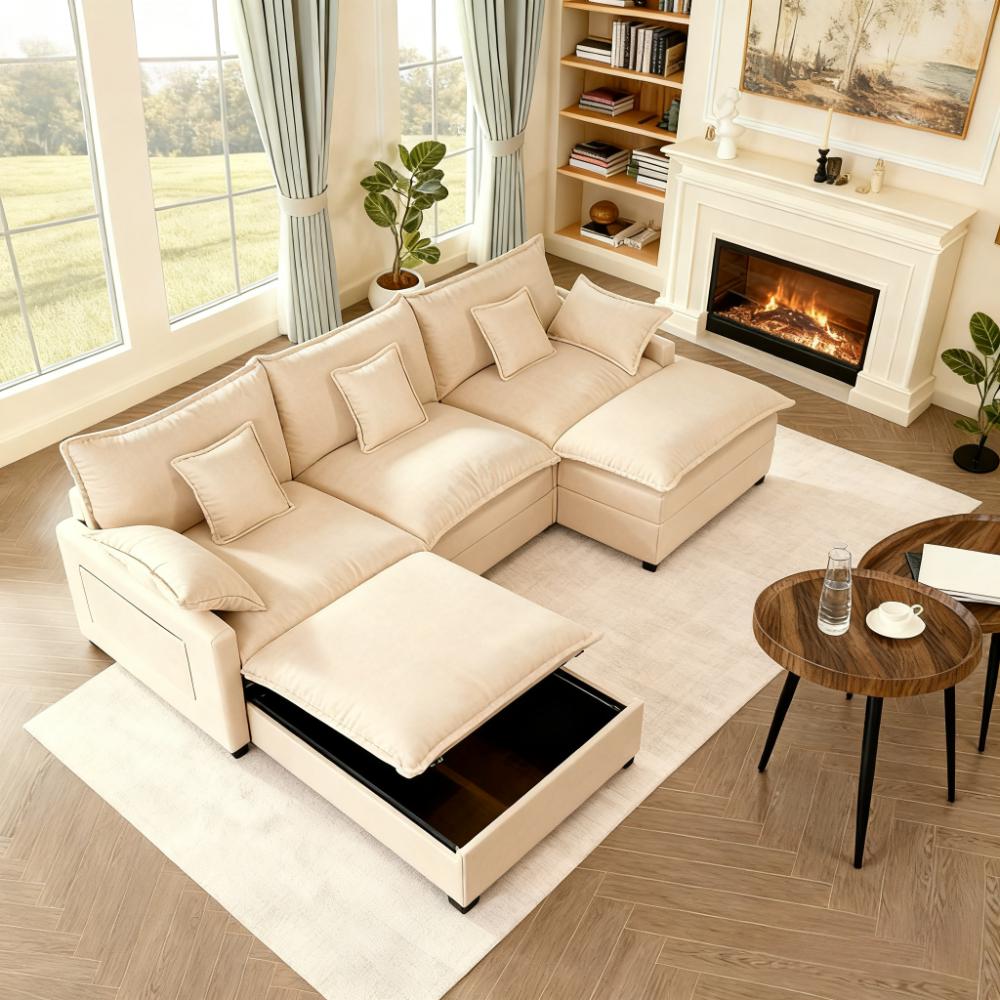
At our lab, every batch of fabric undergoes both Martindale and VOC testing before entering production. This isn't just marketing—it's how we ensure every sofa delivers consistent quality across global markets.
From fabric selection to final assembly, we document every step—from wear resistance to air quality—to give you confidence in your purchase.
Explore Our Quality Assurance ProcessUnderstanding these technical details doesn’t require an engineering degree—it just takes curiosity. And when you know why a sofa lasts longer, you’re not just buying furniture—you’re investing in comfort, safety, and peace of mind.
 35
|
35
|
 Storage bed design techniques
Small bedroom storage solutions
Practical functions of hydraulic lift beds
Modern minimalist furniture recommendations
Export - grade eco - friendly beds
196
|
E1 formaldehyde standard
sofa durability testing
Martindale rub test
eco-friendly sofa materials
furniture safety certification
73
|
sofa durability
high - density sponge material
sofa fabric comparison
modular sofa assembly
comfortable sofa recommendation
324
|
Sofa fabric abrasion test
Martindale method
Velvet sofa durability
E1 formaldehyde emission
Furniture environmental standards
447
|
modular sofa
pine wood frame
high-density foam
metal-reinforced MDF
sofa structural stability
Storage bed design techniques
Small bedroom storage solutions
Practical functions of hydraulic lift beds
Modern minimalist furniture recommendations
Export - grade eco - friendly beds
196
|
E1 formaldehyde standard
sofa durability testing
Martindale rub test
eco-friendly sofa materials
furniture safety certification
73
|
sofa durability
high - density sponge material
sofa fabric comparison
modular sofa assembly
comfortable sofa recommendation
324
|
Sofa fabric abrasion test
Martindale method
Velvet sofa durability
E1 formaldehyde emission
Furniture environmental standards
447
|
modular sofa
pine wood frame
high-density foam
metal-reinforced MDF
sofa structural stability