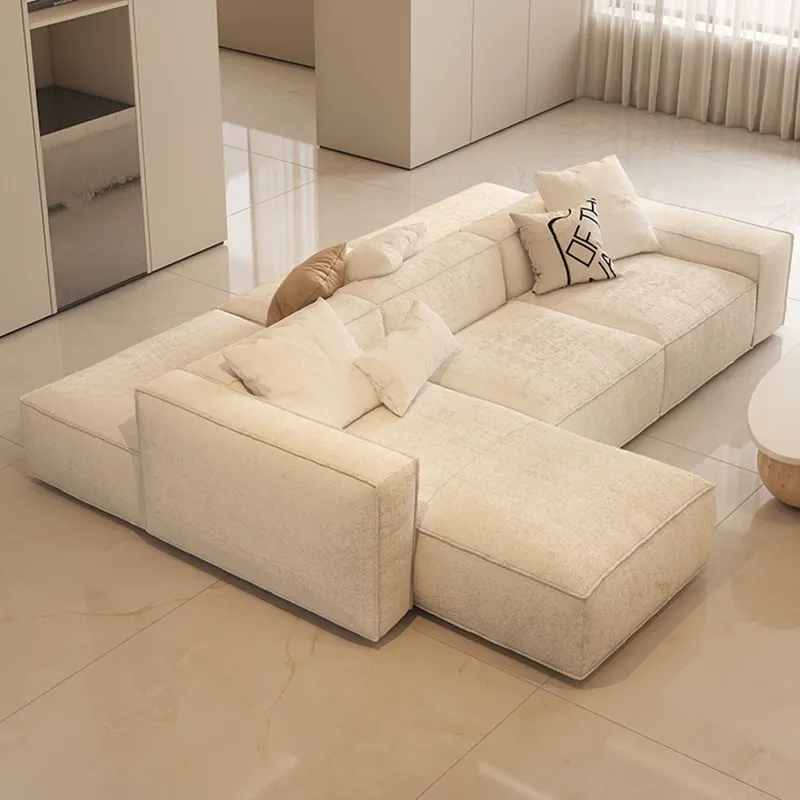
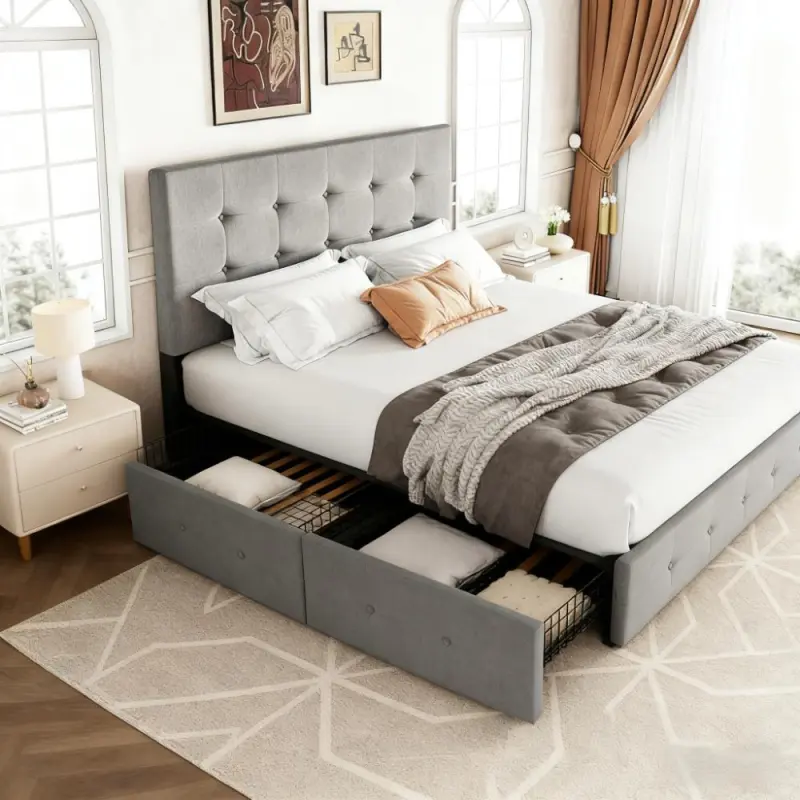
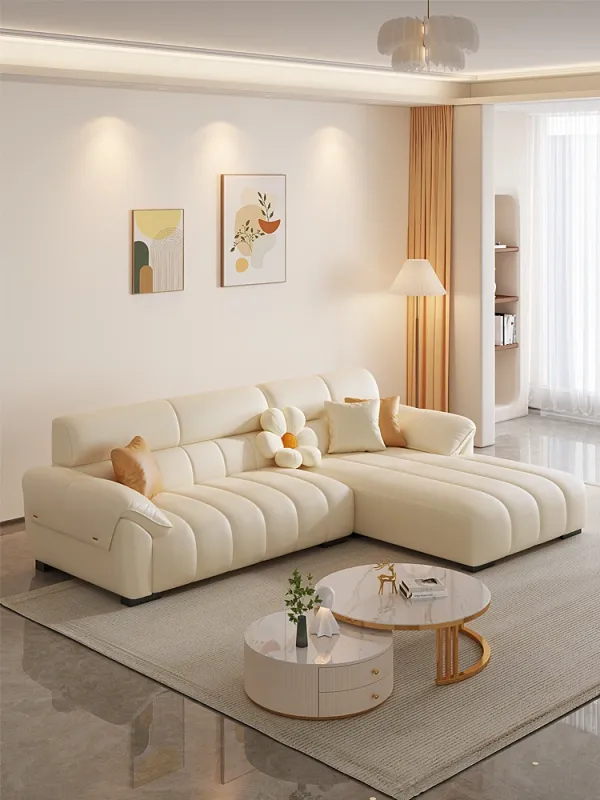
Have you ever wondered why some sofas sag or lose comfort within just a year, while others seem to retain their shape and support for years? A critical factor driving such durability differences lies within the density of the foam cushioning. Specifically, high-density foam with a specification of ≥35kg/m³ has proven to be a game-changer for sofa resilience and long-term use.
Foam density, measured in kilograms per cubic meter (kg/m³), reflects the mass of foam material packed into a cubic meter. This parameter directly correlates to how well the foam can withstand constant pressure and bounce back to its original form. In controlled laboratory testing, foam samples with densities below 30kg/m³ exhibited a permanent deformation rate of over 15% after 10,000 compression cycles, while foam ≥35kg/m³ maintained under 7% deformation—nearly halving shape loss and sagging risk. This means sofas using high-density foam≥35kg/m³ significantly outperform lower-density counterparts in terms of shape retention and comfort longevity.
From a practical perspective, this durable cushioning not only supports users more evenly but also maintains the sofa’s visual appeal, reducing early replacement and enhancing customer satisfaction—key selling points for exporters targeting international markets with diverse quality expectations.
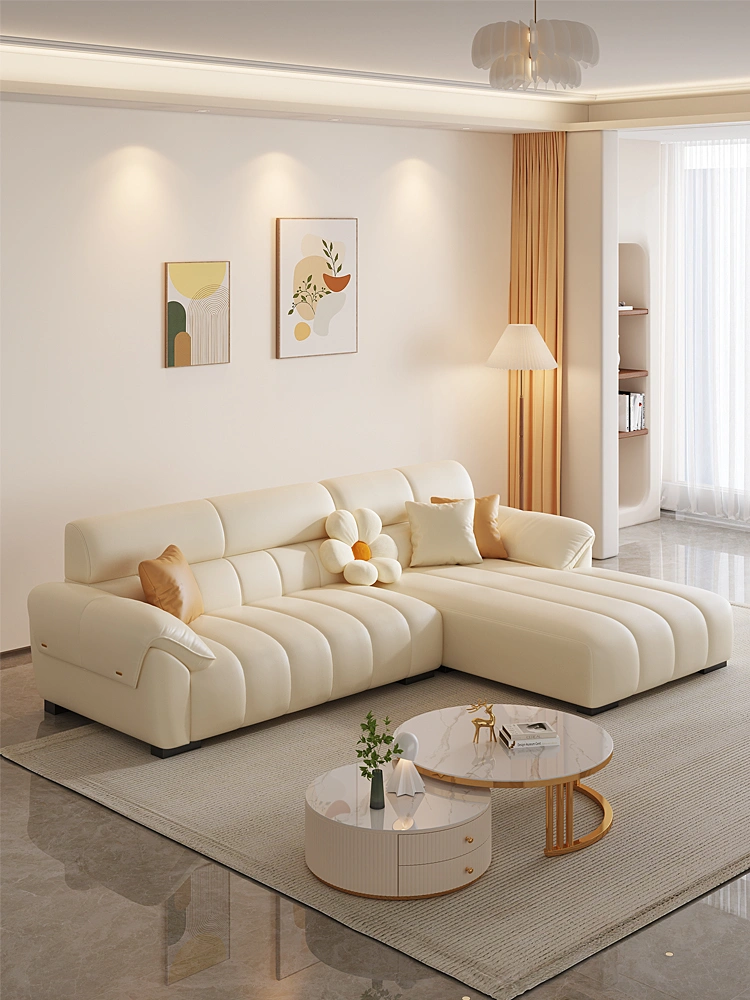
Beyond density, the choice of filling material impacts sofa experience and target audiences:
By understanding these differences, exporters can tailor product offerings to customer segments—be it premium feather sofas for boutique hotels or resilient, easy-care foam sofas for family homes.
The resilience story doesn’t end with foam. Fabric choice, particularly technology-enhanced textiles weighing ≥280g/m², greatly affects wear resistance and moisture management.
For instance, cotton-linen blends are breathable but prone to abrasion and mildew in humid climates, whereas advanced technology fabrics offer superior durability and moisture resistance, ideal for export zones with tropical or variable weather.
Furthermore, the supporting frame's structural integrity synergizes with foam density, ensuring the sofa withstands prolonged use without wobbling or warping. Robust modular assembly with reinforced joints aids this; omitting consistent screw torque or corner braces often leads to premature failure, reducing customer confidence.
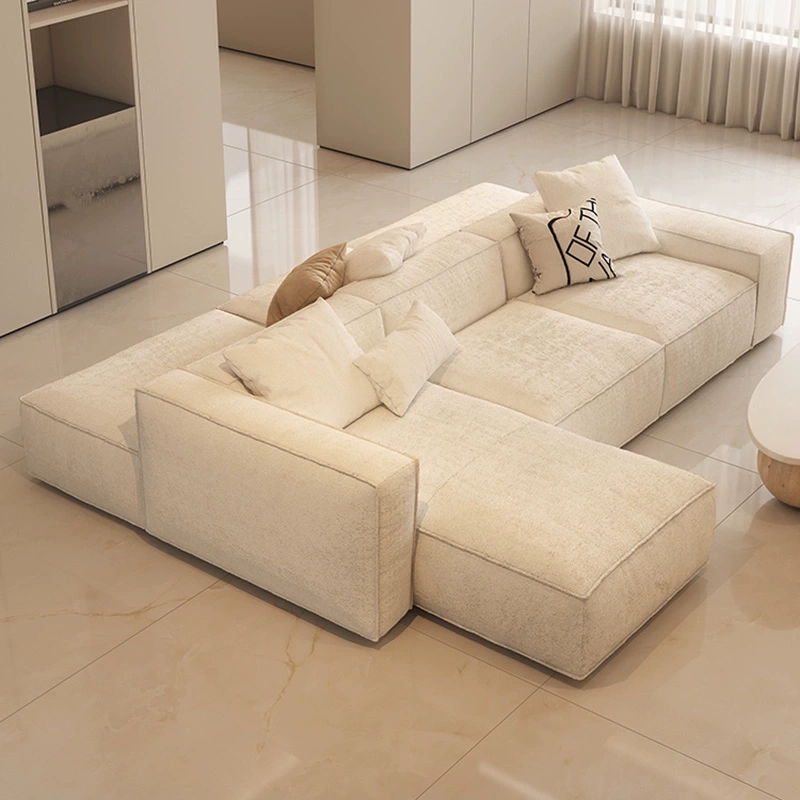
Many modern exporters favor modular sofas for shipping efficiency and flexible consumer assembly. Providing clear installation guidelines not only enhances end-user experience but also protects product lifespan.
Key points include:
These assembly insights reduce after-sale complaints and build brand reputation in competitive international markets.
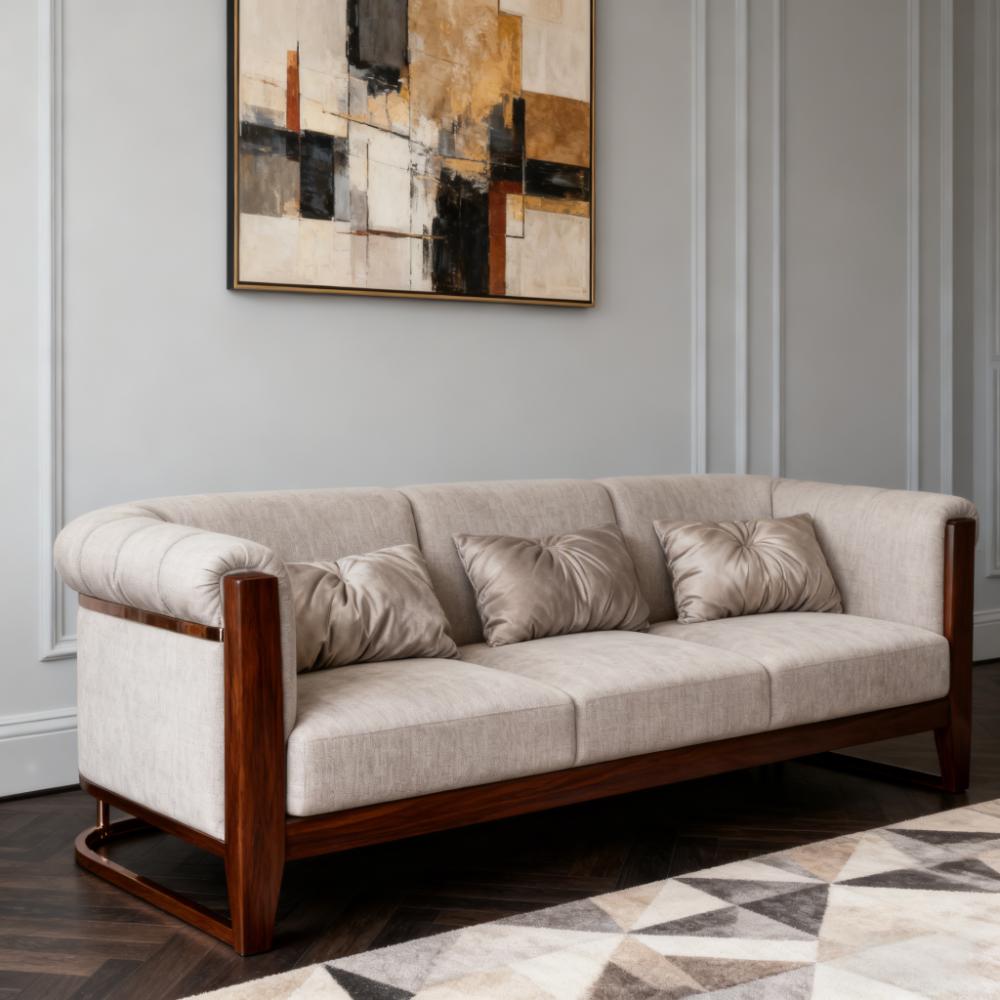
Ask yourself: Does your sofa feel saggy after prolonged sitting? Is the fabric showing wear or stains early? If yes, the culprit may lie in outdated materials or flawed design choices. Moving towards solutions incorporating high-density foam ≥35kg/m³, tech fabrics weighing at least 280g/m², and sturdy modular frames can radically enhance product quality and user loyalty.
 374
|
374
|
 Silent slide test
Storage bed drawer silent tips
Slide quality self - inspection method
Home storage silent design
Small - apartment furniture selection guide
211
|
Sofa abrasion test
Velvet sofa environmental standards
Furniture formaldehyde detection
E1 - grade board certification
Export furniture quality assurance
466
|
small apartment L-shaped sofa
L-shaped sofa dimensions
small living room layout
corner sectional sofa
removable cushion velvet sofa
425
|
furniture environmental certification
FSC wood certification
CARB formaldehyde standards
abrasion-resistant tech fabric
solid wood furniture durability
124
|
furniture environmental certification
FSC certified wood
CARB compliant furniture
REACH compliant materials
eco-friendly home furnishings
Silent slide test
Storage bed drawer silent tips
Slide quality self - inspection method
Home storage silent design
Small - apartment furniture selection guide
211
|
Sofa abrasion test
Velvet sofa environmental standards
Furniture formaldehyde detection
E1 - grade board certification
Export furniture quality assurance
466
|
small apartment L-shaped sofa
L-shaped sofa dimensions
small living room layout
corner sectional sofa
removable cushion velvet sofa
425
|
furniture environmental certification
FSC wood certification
CARB formaldehyde standards
abrasion-resistant tech fabric
solid wood furniture durability
124
|
furniture environmental certification
FSC certified wood
CARB compliant furniture
REACH compliant materials
eco-friendly home furnishings