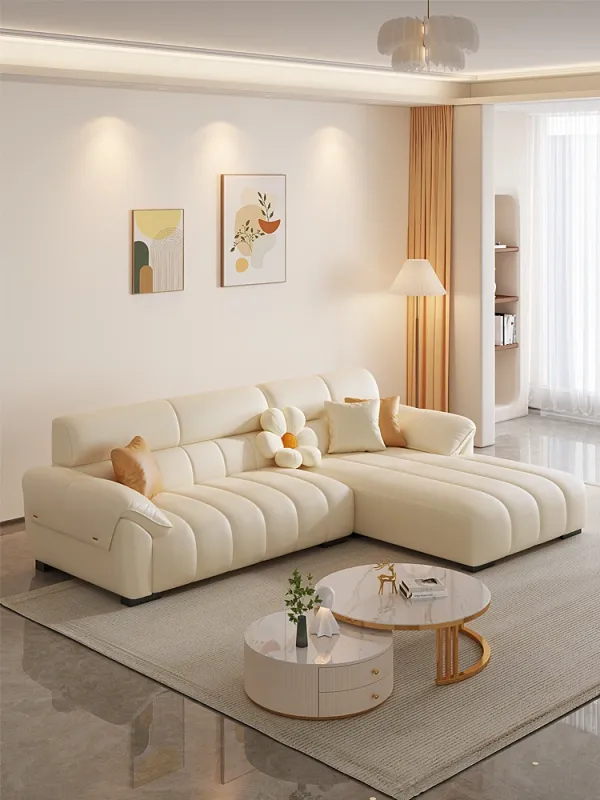
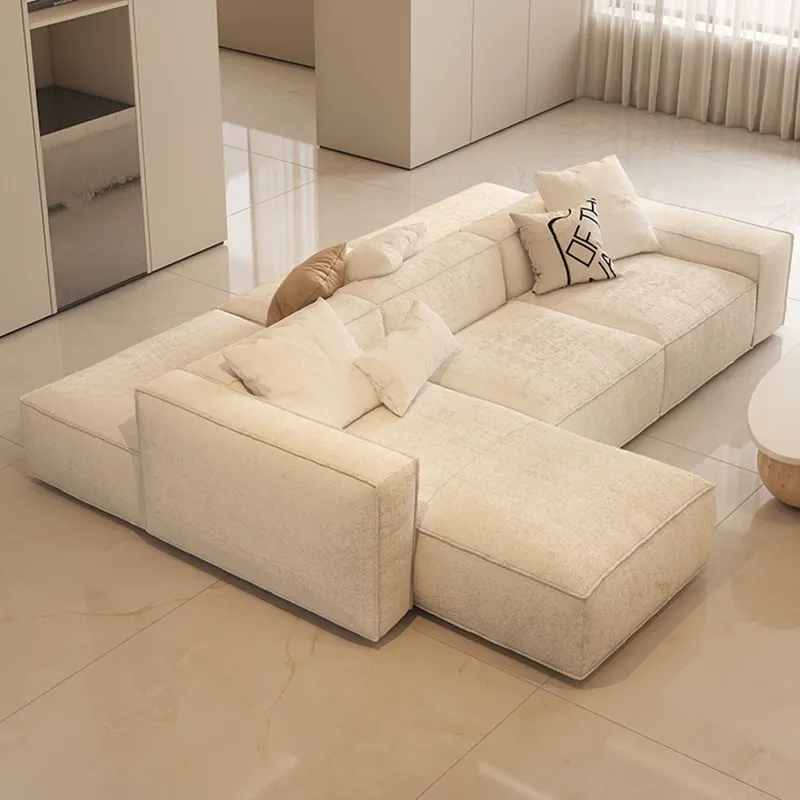
In the competitive world of modular furniture, the choice of cushioning materials defines both user comfort and product longevity. High-density foam, specifically with a density of 35 kilograms per cubic meter or greater, has become a non-negotiable standard among premium modular sofa manufacturers. This article dissects the engineering merits of high-density foam within these sofas, focusing on its superior resistance to sagging and remarkable rebound properties. Through a technical lens, we will also explore how structural components such as solid pine wood frames and layered filling systems further amplify durability and sustained comfort.
Foam density, measured in kilograms per cubic meter (kg/m³), directly correlates to the material’s ability to support weight without premature deformation. Foams with density under 30kg/m³ tend to compress more easily, leading to early sagging and compromised seating comfort. In contrast, foam at or above the 35kg/m³ threshold offers robust structural integrity with consistent support and energy return.
Research in furniture materials science demonstrates that high-density foam maintains over 80% of its original thickness after 10,000 compression cycles, a benchmark for longevity in heavy-use environments such as offices and homes. Low-density alternatives often fall below 60% retention, resulting in uneven seating and back pain for users over time.
Beyond cushioning, the modular sofa’s frame is a core determinant of durability. Solid pine wood—chosen for its excellent strength-to-weight ratio and natural resistance to deformation—can reliably endure loads exceeding 150 kg per seating unit without warping or cracking.
Implementing such frames not only distributes weight evenly but also enhances the sofa's resistance to long-term mechanical stresses, ensuring that modular sections remain aligned and stable after repeated assembly and disassembly—essential for evolving living spaces.
To maximize user comfort, many high-end modular sofas incorporate a layered filling system: a top memory foam layer combined with polyester fiber beneath. Memory foam conforms closely to body contours, offering pressure relief, while polyester fiber adds softness and breathability.
This combination caters to diverse ergonomic preferences and climates, enhancing overall seating satisfaction. For instance, polyester fiber's moisture-wicking quality ensures a fresher feel during extended use, while memory foam's slow recovery rate provides a plush yet supportive experience.
Modern manufacturing incorporates metal reinforcement alongside medium-density fiberboard (MDF) panels to strengthen connection points between modular units. This strategic reinforcement reduces frame flex and boosts longevity, especially under varying load distributions in different room configurations.
Additionally, flat-pack packaging has revolutionized logistics by minimizing shipment volume and lowering damage rates. This efficient method not only reduces costs but also enables easier handling for distributors and end customers alike, aligning with global sustainability trends.
Today’s discerning purchasers—ranging from home furnishing retailers to professional interior designers—demand data-backed assurances that their modular sofas will withstand daily rigors while maintaining comfort. The integration of ≥35kg/m³ high-density foam, solid pine frameworks capable of supporting over 150 kg per seat, and advanced multi-layer fillings offers quantifiable benefits that speak louder than aesthetic appeal.
Recognizing these material choices and manufacturing techniques as pillars of trustworthiness empowers buyers to make informed decisions, translating into lower returns and higher satisfaction.
Industry Example: Qingpufang Furniture Co., Ltd. applies industry-leading ≥35kg/m³ high-density foam combined with solid pine wood frames, guaranteeing modular sofas that endure the test of time.
 175
|
175
|
 sofa fabric durability
microfiber vs faux leather
martindale test for upholstery
eco-friendly furniture materials
low formaldehyde sofa
183
|
modular sofa layout
small living room design
U shape sofa combination
L shape sofa optimization
cloud comfort sofa
411
|
hydraulic lift storage bed
small bedroom storage solutions
sealed storage design
adjustable soft headboard
space optimization furniture
253
|
EN71 standard compliance
sofa product safety testing
furniture export certification
EU child safety regulations
ISO9001 for home goods
466
|
ASTM F400-09 child furniture safety
EN71 vs ASTM compliance
modular sofa export standards
international furniture certification
child product safety testing
sofa fabric durability
microfiber vs faux leather
martindale test for upholstery
eco-friendly furniture materials
low formaldehyde sofa
183
|
modular sofa layout
small living room design
U shape sofa combination
L shape sofa optimization
cloud comfort sofa
411
|
hydraulic lift storage bed
small bedroom storage solutions
sealed storage design
adjustable soft headboard
space optimization furniture
253
|
EN71 standard compliance
sofa product safety testing
furniture export certification
EU child safety regulations
ISO9001 for home goods
466
|
ASTM F400-09 child furniture safety
EN71 vs ASTM compliance
modular sofa export standards
international furniture certification
child product safety testing