In the global B2B furniture marketplace, sourcing high-quality hydraulic beds demands more than visual inspection. To ensure long-term reliability, discerning buyers must understand the critical performance parameters verified through rigorous testing — notably, the 100,000 open-close cycle test. This article delves into the essential technical facets of hydraulic lifting beds: load-bearing capacity, noise suppression, and secure locking mechanisms. Backed by empirical laboratory data and real-world application insights, the discussion empowers procurement professionals to distinguish genuine craftsmanship from substandard imitations.
Central to hydraulic bed durability is the hydraulic rod's mechanical integrity. The rod must consistently support weights up to 200 kg without deformation, reflecting the typical industry standard for home and commercial use. Manufacturers achieving this often employ high-grade steel alloys treated to resist corrosion and wear.
Furthermore, noise control is critical for user comfort, particularly in households with infants or light sleepers. Advanced hydraulic systems incorporate silent soft-close mechanisms, analogous to automotive shock absorbers, that minimize unwanted clatter during operation. Effective noise dampening typically results in sound levels below 30 dB, akin to a whisper in a quiet room.
This exhaustive test simulates repeated daily use over several years to assess the bed's endurance. Passing 100,000 open-close cycles without mechanical failure confirms the product’s robustness under continuous pressure and movement. To put this in perspective, a typical family might use their hydraulic bed 10 times a day, which equates to nearly 27 years of operation.
Equally important is the bed’s locking stability. Secure locks prevent unintended closing which can cause injury, especially in environments with children or pets. Optimal designs feature multi-point lock systems with fail-safe releases ensuring both safety and ease of use. Additionally, rounded edges and pet-resistant fabric selections, favored by international buyers, enhance safe usage in diverse households.
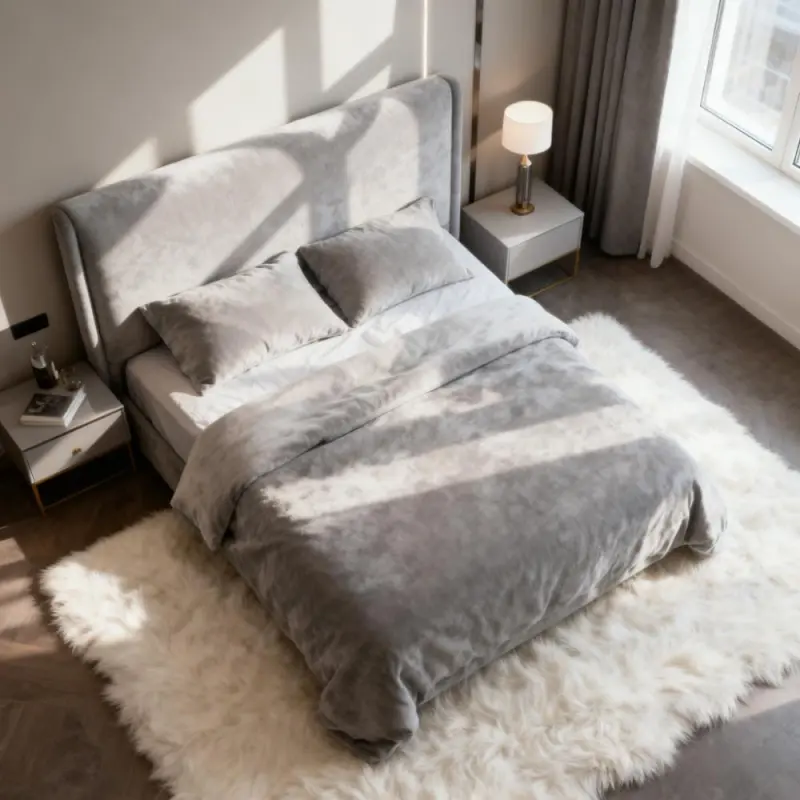
Brands differ significantly in their choice of hydraulic systems and build designs. Premium models often utilize powder-coated steel hydraulic arms for enhanced corrosion resistance and longevity compared to cheaper alternatives that use painted iron susceptible to rust. Fabric choices also vary, with high-quality vendors providing OEKO-TEX and Greenguard-certified upholstery, adapting to global environmental and health standards.
Understanding these subtle but impactful differences helps overseas procurement teams choose products tailored to their regional market preferences and regulatory requirements.
Laboratory cycle tests alone do not capture user experience nuances. It is critical to correlate numerical data with customer feedback regarding noise comfort, lock performance, and material durability. For example, buyers have reported significantly reduced nighttime disturbances when using beds equipped with silent hydraulic dampeners—an essential feature for young families.
B2B buyers are advised to request certified third-party testing reports and sample testing videos. Such transparency is fundamental in preventing counterfeit purchases and ensuring compliance with export furniture quality standards.
Interested in detailed test reports and technical certifications? Contact us now to receive your PDF version
LightPuFang offers comprehensive OEM/ODM services, backed by a worldwide logistics network and attentive after-sales support, enabling international buyers to confidently source hydraulic beds that meet global quality expectations.
 181
|
181
|
 modular sofa layout
small living room design
U shape sofa combination
L shape sofa optimization
cloud comfort sofa
118
|
L-shaped sofa for small apartments
Corner sofa
Removable cushion sofa
medieval style sofa
Sofas suitable for studio apartments
411
|
hydraulic lift storage bed
small bedroom storage solutions
sealed storage design
adjustable soft headboard
space optimization furniture
251
|
EN71 standard compliance
sofa product safety testing
furniture export certification
EU child safety regulations
ISO9001 for home goods
175
|
Furniture environmental certification
FSC wood
CARB standard
Wear - resistant tech fabric
Solid wood furniture durability
modular sofa layout
small living room design
U shape sofa combination
L shape sofa optimization
cloud comfort sofa
118
|
L-shaped sofa for small apartments
Corner sofa
Removable cushion sofa
medieval style sofa
Sofas suitable for studio apartments
411
|
hydraulic lift storage bed
small bedroom storage solutions
sealed storage design
adjustable soft headboard
space optimization furniture
251
|
EN71 standard compliance
sofa product safety testing
furniture export certification
EU child safety regulations
ISO9001 for home goods
175
|
Furniture environmental certification
FSC wood
CARB standard
Wear - resistant tech fabric
Solid wood furniture durability