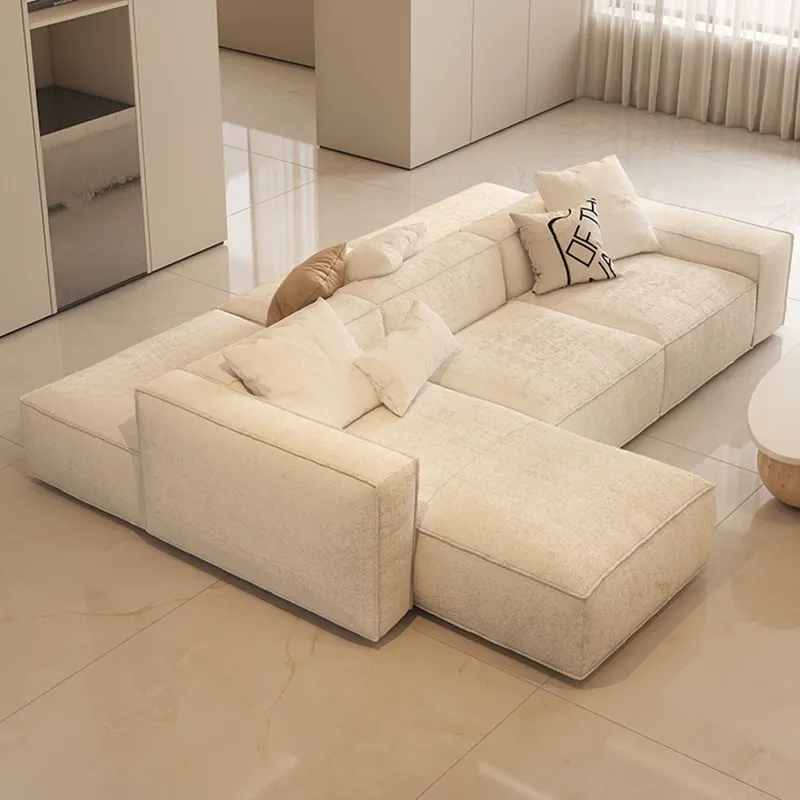
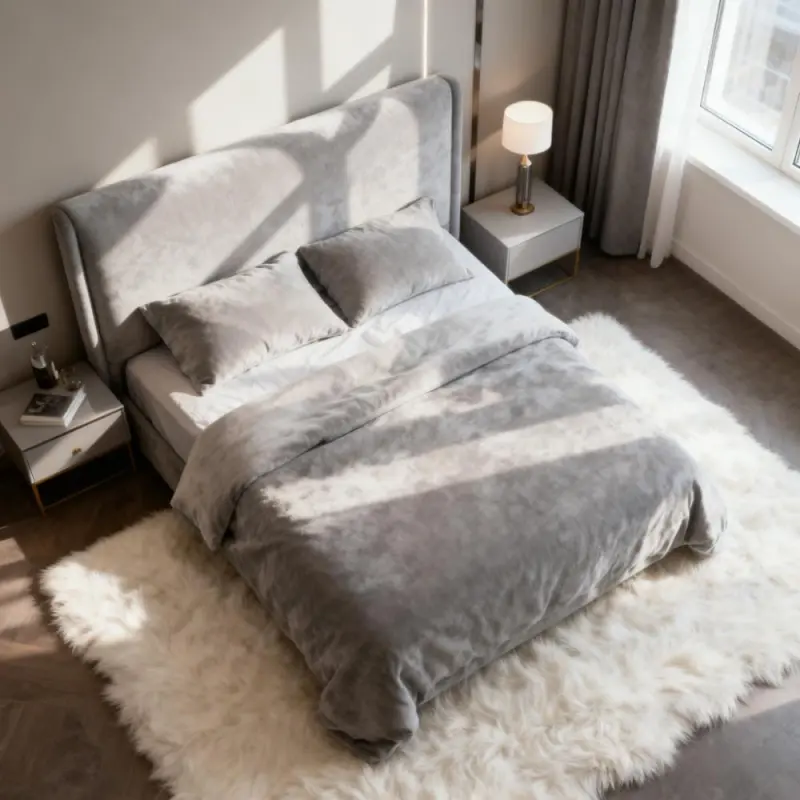
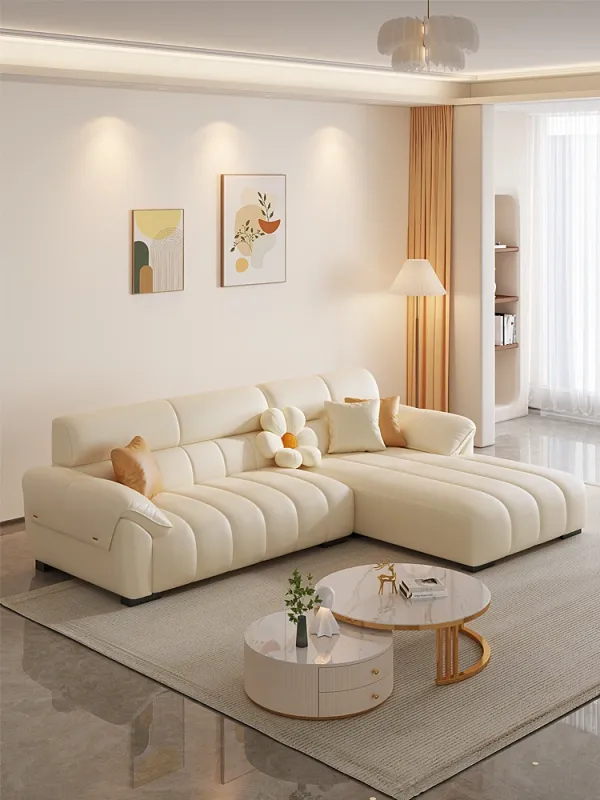
In today's market, consumers are increasingly concerned about the durability of sofas. After all, a sofa is not just a piece of furniture; it's a long - term investment for the home. With so many options available, how can one accurately assess how long a sofa fabric will last? The Martindale Abrasion Test holds the key.
The Martindale Abrasion Test is a widely recognized method for evaluating the wear resistance of fabrics. It works by simulating the daily wear and tear that a sofa fabric might experience. A small sample of the fabric is placed on a circular platform and rubbed against a standard abrasive material in a specific pattern. Each cycle of this rubbing represents a certain amount of real - world use.
This test can accurately predict how well a fabric will hold up over time, taking into account factors such as friction, pressure, and movement. By the end of the test, the fabric's appearance, integrity, and performance are carefully examined to determine its durability.
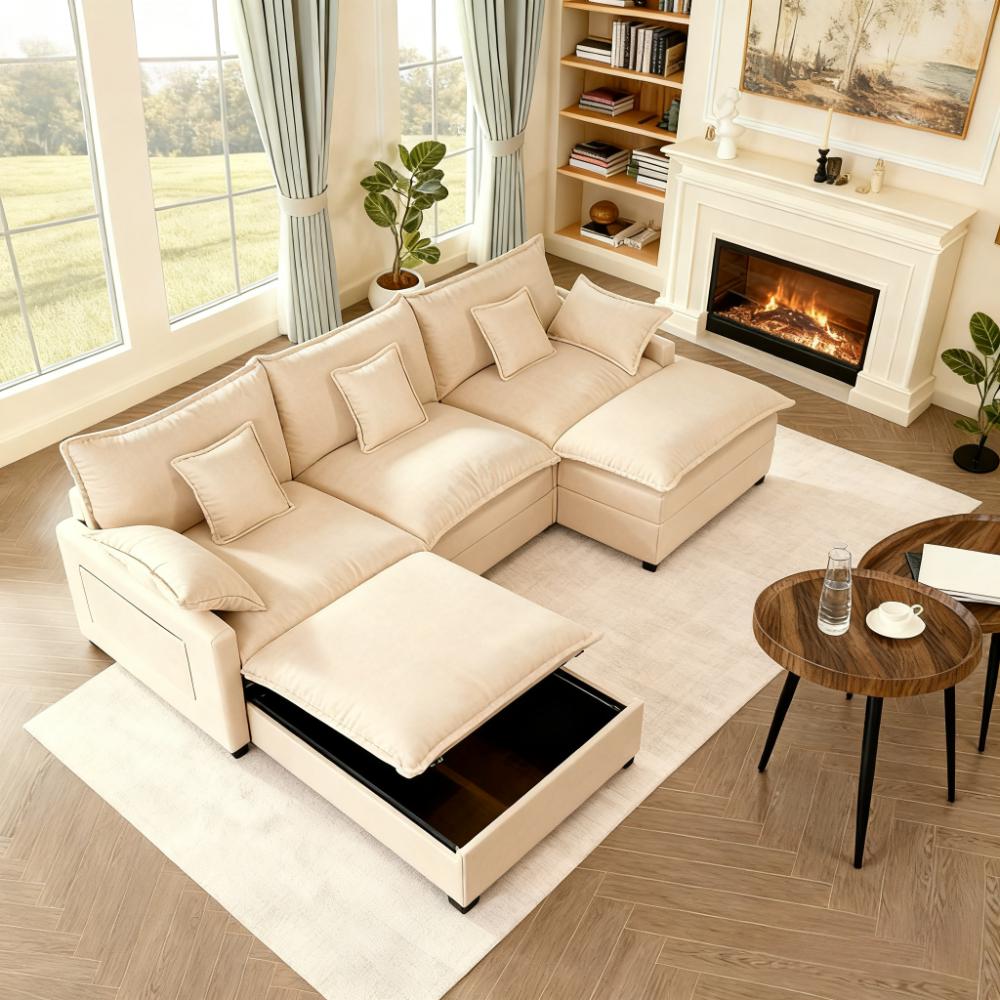
Velvet has long been a popular choice for sofas due to its luxurious appearance and soft feel. But how does it fare in the Martindale Abrasion Test? High - quality velvet fabrics can withstand a significant number of abrasion cycles. For example, some premium velvet sofas can pass the 30,000 - cycle test. This means that if a person sits on the sofa about 5 times a day, the fabric could potentially last for about 16 years.
Microfiber is known for its durability and stain - resistance. In the Martindale test, microfiber often shows excellent performance. It can maintain its appearance and texture even after a large number of abrasion cycles. Microfiber also has good anti - static properties, making it less likely to attract dust and dirt.
Artificial leather offers a cost - effective alternative to genuine leather. In terms of abrasion resistance, it can vary depending on the quality. Higher - end artificial leather can perform well in the Martindale test, but it may not have the same natural look and feel as real leather.
Q: Does a high abrasion resistance mean the fabric is prone to damage?
A: No. A high abrasion resistance indicates that the fabric can withstand a large amount of wear and tear. It is less likely to develop holes, fraying, or loss of color over time.
Q: Are all sofas with a high Martindale rating equally good?
A: Not necessarily. While the Martindale rating is an important indicator of durability, other factors such as anti - stain properties, breathability, and comfort also need to be considered.
In addition to durability, the environmental friendliness of sofa materials is also crucial. The E1 - grade formaldehyde standard is a widely recognized measure of indoor air quality. Sofa materials that meet the E1 - grade standard have a low formaldehyde release rate, which is beneficial for the health of family members, especially children and the elderly.
Formaldehyde is a common indoor pollutant that can cause various health problems, such as respiratory irritation, allergic reactions, and even cancer in the long term. By choosing sofas that meet the E1 - grade standard, consumers can ensure a safer and healthier living environment.
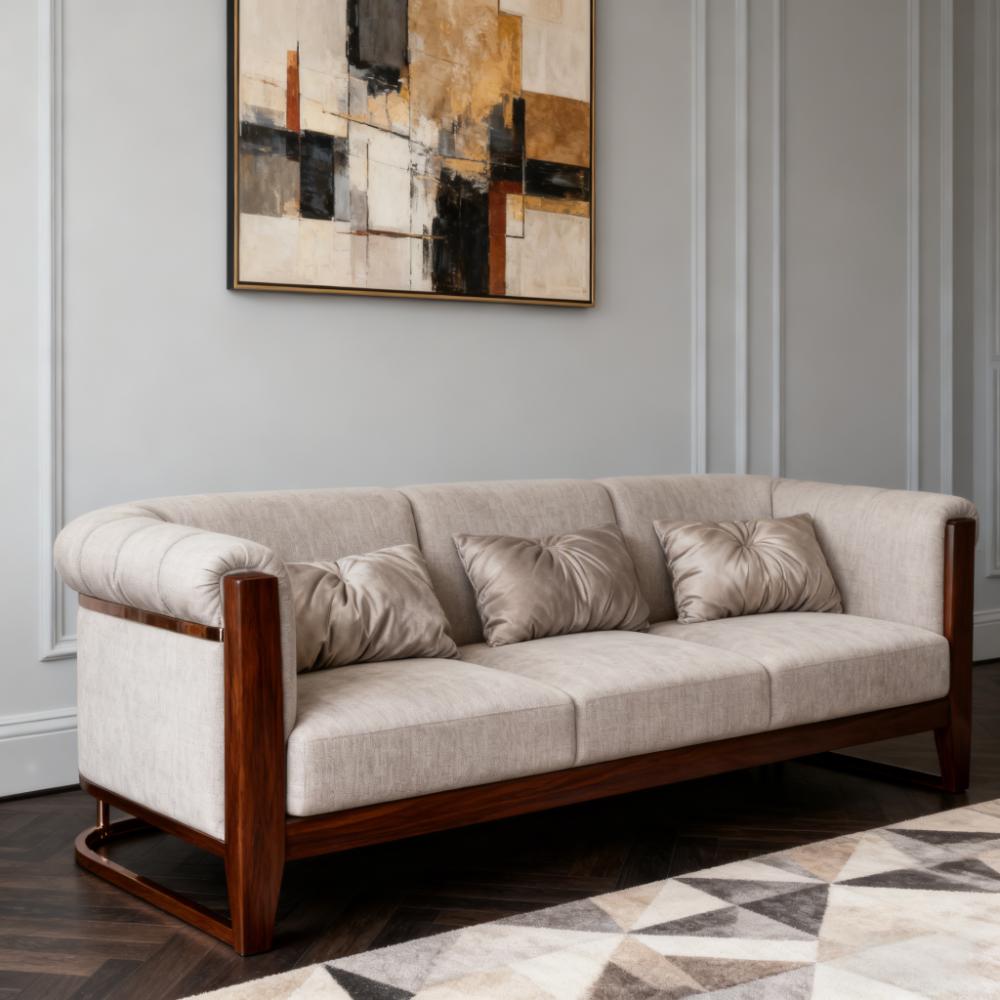
In conclusion, when choosing a sofa, consumers should not be solely attracted by its appearance. The combination of material technology and safety certification is the core of quality. Understanding the Martindale Abrasion Test and the E1 - grade formaldehyde standard can help consumers make more informed decisions.
Discover how we ensure the quality of every sofa through rigorous testing. Learn More
 35
|
35
|
 Storage bed design techniques
Small bedroom storage solutions
Practical functions of hydraulic lift beds
Modern minimalist furniture recommendations
Export - grade eco - friendly beds
227
|
hydraulic lift bed selection
100
000 cycle durability test
storage bed technical specs
export furniture quality standards
home furniture procurement guide
411
|
hydraulic lift storage bed
small bedroom storage solutions
sealed storage design
adjustable soft headboard
space optimization furniture
497
|
hydraulic lift bed weight capacity
bed with storage
export quality furniture
silent lift mechanism
bed stability test
350
|
hydraulic lift storage bed
silent soft-close mechanism
load capacity
lifting noise control
locking stability
Storage bed design techniques
Small bedroom storage solutions
Practical functions of hydraulic lift beds
Modern minimalist furniture recommendations
Export - grade eco - friendly beds
227
|
hydraulic lift bed selection
100
000 cycle durability test
storage bed technical specs
export furniture quality standards
home furniture procurement guide
411
|
hydraulic lift storage bed
small bedroom storage solutions
sealed storage design
adjustable soft headboard
space optimization furniture
497
|
hydraulic lift bed weight capacity
bed with storage
export quality furniture
silent lift mechanism
bed stability test
350
|
hydraulic lift storage bed
silent soft-close mechanism
load capacity
lifting noise control
locking stability