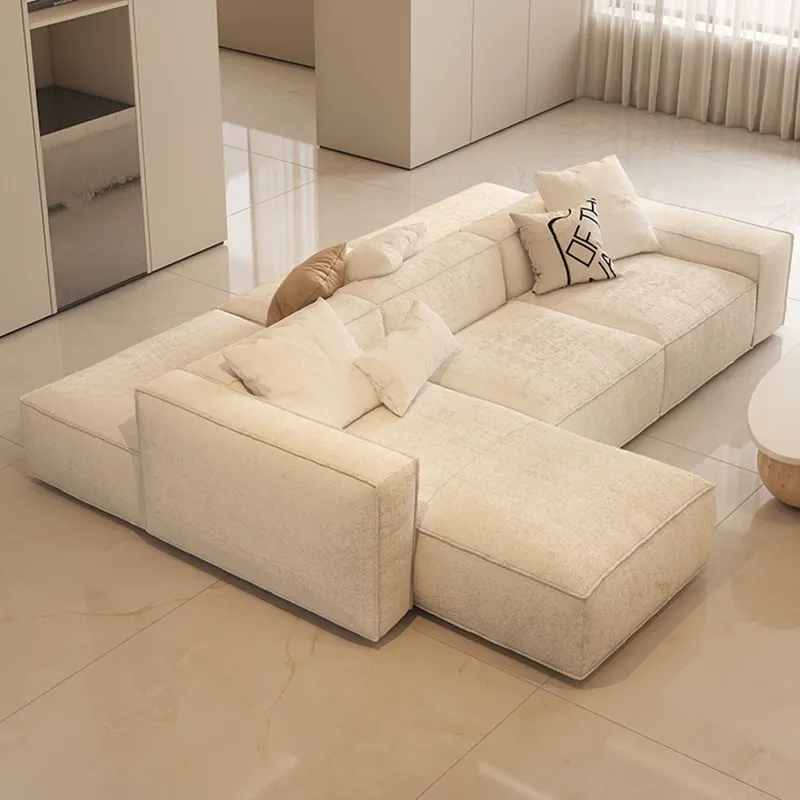
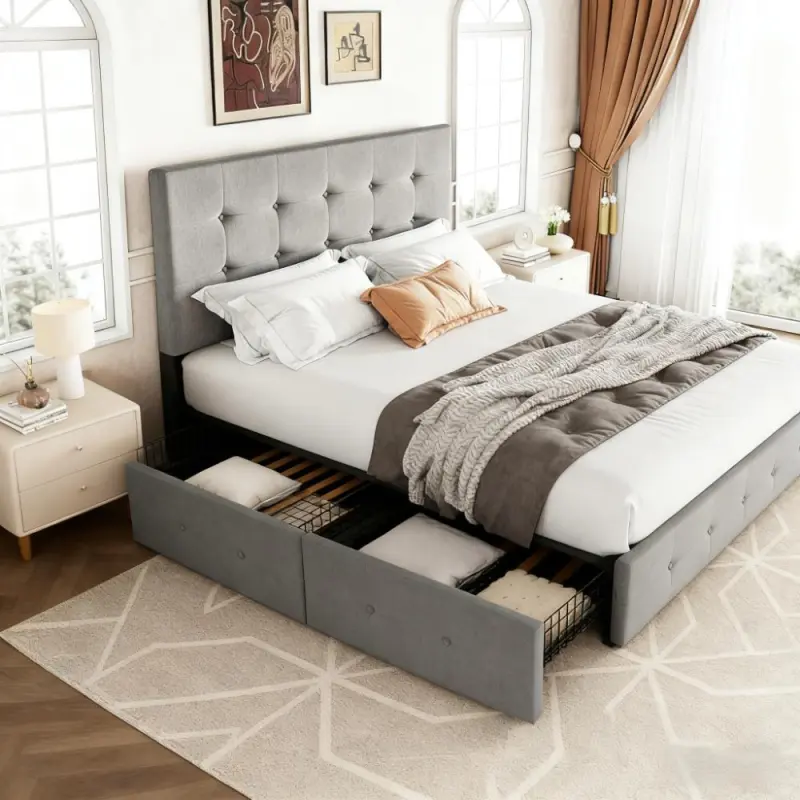
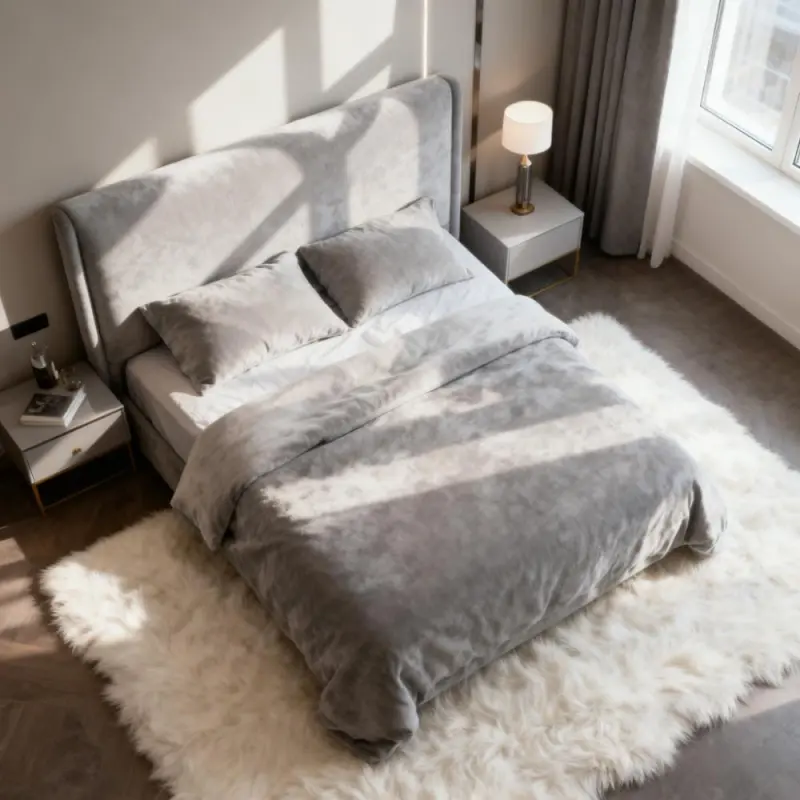
As home comfort becomes a top priority in North America and Europe, sofa manufacturers are under pressure to deliver both immediate luxury and long-term durability. But how do memory foam and down-blend fillings really compare when it comes to real-world performance? Let’s break down what the lab says—and why this matters for your next product decision.
In controlled tests conducted by the European Furniture Testing Institute (EFTI), two identical modular sofa frames were filled—one with 35kg/m³ high-density memory foam, the other with a 70/30 blend of down and synthetic fiber. After 5,000 cycles of simulated daily use (equivalent to 2 years), here’s what emerged:
“For markets where sofas are used daily—not just for guests—memory foam offers superior structural integrity over time.”
— EFTI Lab Report, 2023
Temperature and humidity play a huge role in how fillings behave. In regions like California (hot-dry) or Germany (cool-humid), memory foam remains stable while down blends absorb moisture, leading to mold risks and loss of loft. A study from the University of Manchester found that down-filled cushions lost up to 27% of their cushioning power in high-humidity conditions—a red flag for European buyers who value low maintenance.
Meanwhile, memory foam shows minimal degradation even in extreme temperature swings—from -10°C to 40°C—making it ideal for homes with central heating or air conditioning.
When paired with durable tech fabrics like polyester microfiber or cotton-linen blends, memory foam maintains consistent feel without needing frequent fluffing or replacement. Down blends require regular plumping and can stain easily if not protected—adding to lifetime ownership costs.
Bottom line: For commercial-grade seating or families with kids/pets, memory foam wins on both comfort and practicality.
Even the best material fails if installed incorrectly. Misaligned foam blocks create uneven weight distribution, accelerating wear. Our engineers recommend using interlocking edge rails and securing each module with anti-slip fabric straps—this simple step extends lifespan by up to 30%.
Your sofa isn't just furniture—it's an investment in everyday living. So ask yourself: Are you choosing comfort… or just convenience?
 379
|
379
|
 silent slides
storage bed procurement
drawer noise control
ball bearing rail technology
EN71 safety standards
281
|
modular sofa assembly
high-density foam sofa
sofa durability
cloud comfort sofa
sofa fabric comparison
250
|
EN71 standard compliance
sofa product safety testing
furniture export certification
EU child safety regulations
ISO9001 for home goods
175
|
Furniture environmental certification
FSC wood
CARB standard
Wear - resistant tech fabric
Solid wood furniture durability
128
|
high density foam sofa
sofa durability
memory foam vs down fill
tech fabric sofa
modular sofa assembly
silent slides
storage bed procurement
drawer noise control
ball bearing rail technology
EN71 safety standards
281
|
modular sofa assembly
high-density foam sofa
sofa durability
cloud comfort sofa
sofa fabric comparison
250
|
EN71 standard compliance
sofa product safety testing
furniture export certification
EU child safety regulations
ISO9001 for home goods
175
|
Furniture environmental certification
FSC wood
CARB standard
Wear - resistant tech fabric
Solid wood furniture durability
128
|
high density foam sofa
sofa durability
memory foam vs down fill
tech fabric sofa
modular sofa assembly