In the highly competitive global furniture market, especially in the European and American regions, achieving compliance with relevant safety standards is not just a legal requirement but also a key factor in enhancing market competitiveness. This article delves into the critical applications of the EU's EN71 children's safety standard and the US's ASTM F400 - 09 regulations in the furniture industry, with a particular focus on sofas. It aims to help furniture brands and B2B buyers accurately grasp the key points of safety certifications in the European and American markets.
The EN71 standard is a comprehensive set of safety requirements for toys and children's products in the European Union. When applied to furniture, especially for products used by children, it emphasizes aspects such as flammability, the use of environmentally friendly materials, and structural safety. For example, the flammability test requires that furniture materials should not ignite easily or spread fire rapidly in case of accidental contact with fire sources. According to relevant data, over 80% of furniture - related fire accidents in the EU could have been avoided if all products had met strict flammability standards.
The ASTM F400 - 09 standard in the United States also has its unique requirements. In terms of material environmental protection, it has strict limits on heavy metals and harmful chemicals in furniture materials. Research shows that about 20% of furniture imported into the US fails environmental inspections every year due to non - compliance with these regulations.
Comparing the two standards, although there are some similarities in terms of overall safety concepts, there are also significant differences in specific requirements and testing methods. The EN71 standard is more focused on a unified safety framework within the EU, while the ASTM F400 - 09 standard is tailored to the US market, taking into account local consumer habits and legal regulations.
The ISO9001 quality management system plays a crucial role in the process of obtaining and maintaining EN71 and ASTM certifications. By implementing this system, furniture enterprises can establish a standardized management process, from raw material procurement to product production and after - sales service. For example, a furniture company in China successfully reduced its production defect rate from 8% to 2% within a year after implementing the ISO9001 system, which not only improved product quality but also increased the efficiency of passing safety certifications.
During the certification process, an ISO9001 - compliant management system can help enterprises better prepare relevant documents and data, and effectively respond to overseas compliance audits. It can improve the enterprise's internal communication and cooperation, ensuring that all departments work together towards the goal of meeting international safety standards.
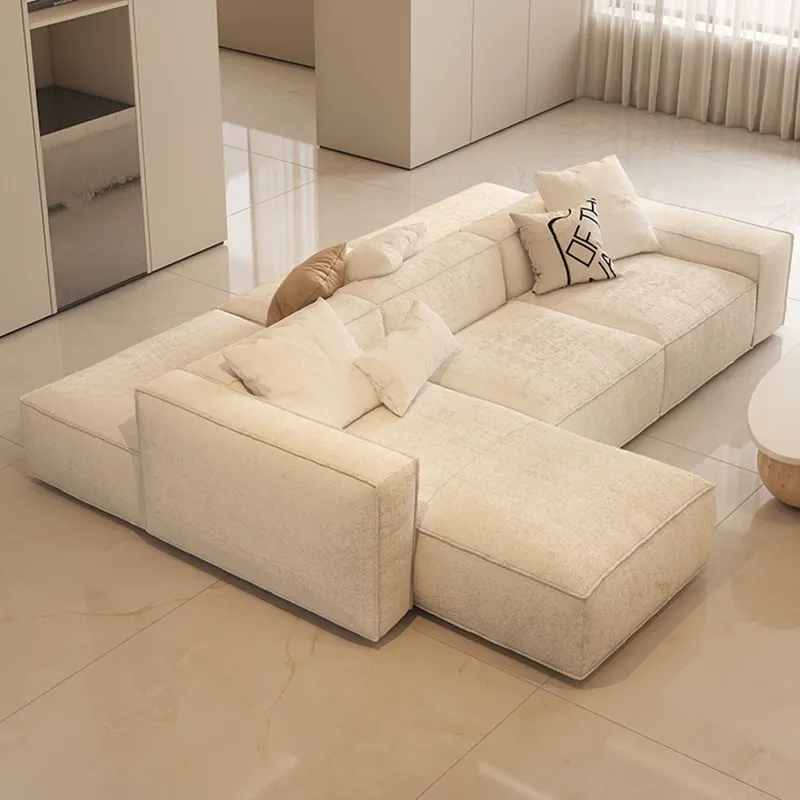
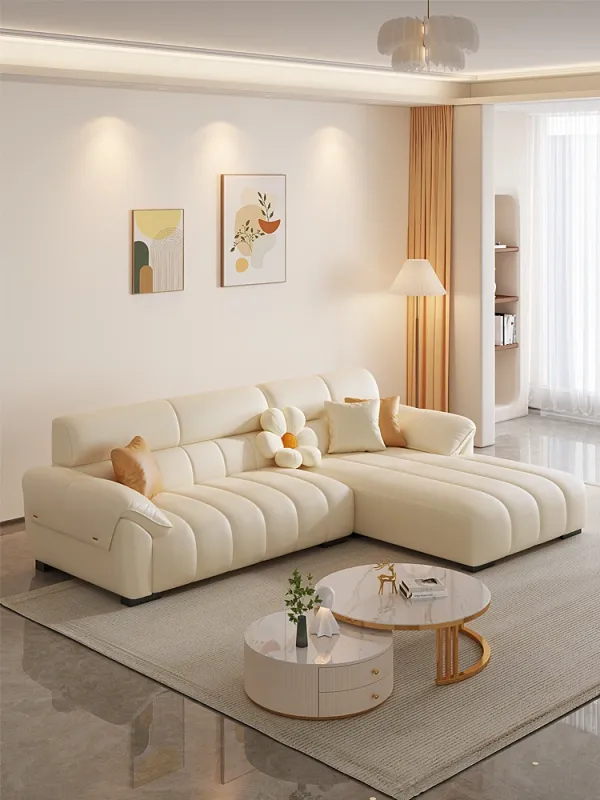
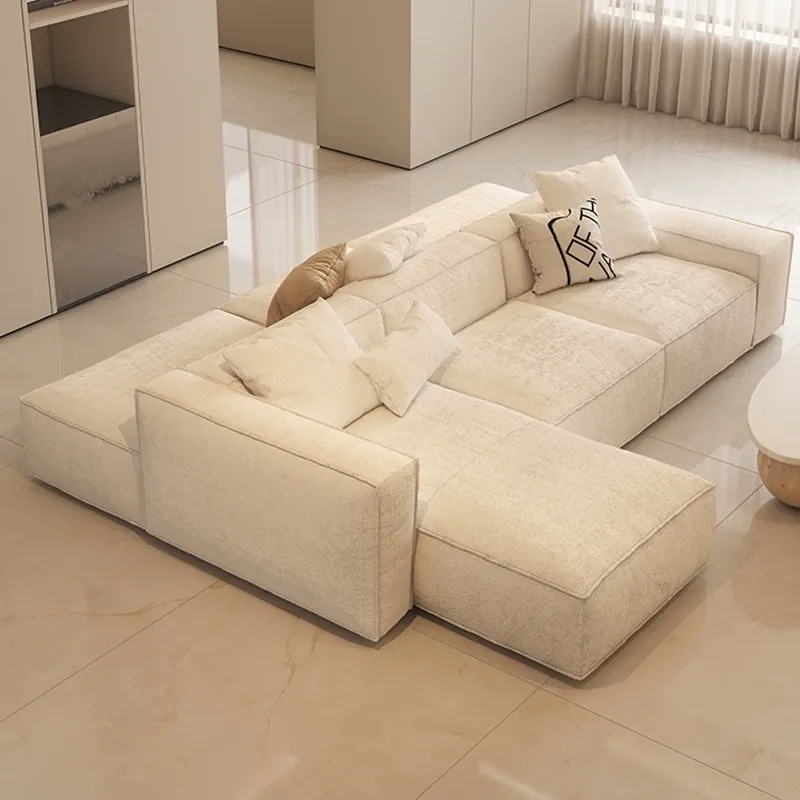
Zhengzhou Qingpufang's 108 - inch U - shaped modular cloud - feeling comfortable sofa is a prime example of a product that meets both EN71 and ASTM certifications. This sofa uses high - quality, environmentally friendly materials that meet the strict environmental protection requirements of both standards. Its unique modular design not only provides users with flexibility in use but also ensures stable structure through advanced manufacturing processes.
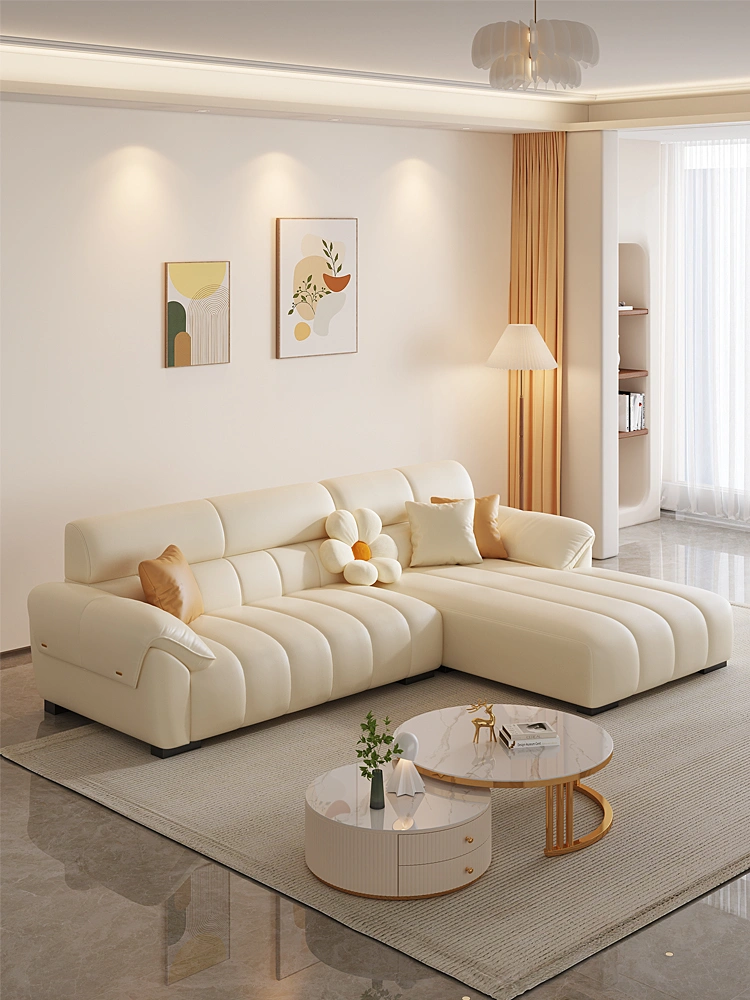
The sofa has passed strict flammability tests and structural stability assessments, which means it can be safely used in various environments, especially in households with children. With these certification advantages, Zhengzhou Qingpufang's modular sofa has a strong competitive edge in the European and American markets.
To reduce trade risks and improve customs clearance efficiency, furniture enterprises need to have effective strategies for dealing with overseas customer compliance audits. Firstly, enterprises should establish a complete product quality control system from the source, ensuring that all raw materials and production processes meet relevant standards. Secondly, they should maintain good communication with customers, actively provide necessary certification documents and test reports, and resolve any issues in a timely manner.
Statistics show that enterprises that can proactively cooperate with overseas customer compliance audits have a high probability of successfully passing the audits, which can reach up to 90%. By doing so, they can avoid potential trade disputes and maintain long - term stable supply relationships with customers.
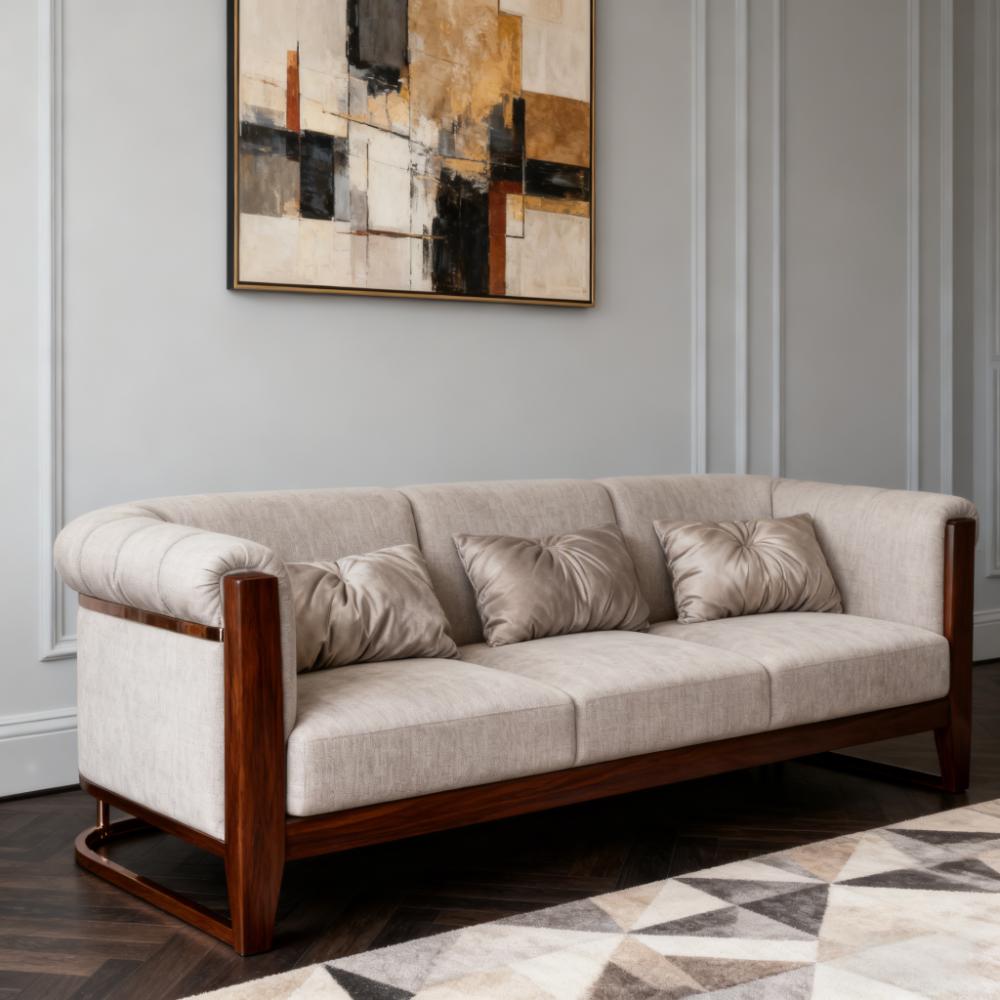
Take your furniture business to the next level in the European and American markets. Explore our verified modular furniture that meets all essential safety standards.
Click to Learn More and Purchase 118
|
118
|
 L-shaped sofa for small apartments
Corner sofa
Removable cushion sofa
medieval style sofa
Sofas suitable for studio apartments
333
|
EN71 standard analysis
ASTM furniture safety
ISO9001 quality management system
furniture export certification
modular sofa customization
250
|
EN71 standard compliance
sofa product safety testing
furniture export certification
EU child safety regulations
ISO9001 for home goods
464
|
ASTM F400-09 child furniture safety
EN71 vs ASTM compliance
modular sofa export standards
international furniture certification
child product safety testing
383
|
modular sofa compliance
EN71 standard
ASTM F400-09
furniture export certification
child safety in furniture
L-shaped sofa for small apartments
Corner sofa
Removable cushion sofa
medieval style sofa
Sofas suitable for studio apartments
333
|
EN71 standard analysis
ASTM furniture safety
ISO9001 quality management system
furniture export certification
modular sofa customization
250
|
EN71 standard compliance
sofa product safety testing
furniture export certification
EU child safety regulations
ISO9001 for home goods
464
|
ASTM F400-09 child furniture safety
EN71 vs ASTM compliance
modular sofa export standards
international furniture certification
child product safety testing
383
|
modular sofa compliance
EN71 standard
ASTM F400-09
furniture export certification
child safety in furniture