
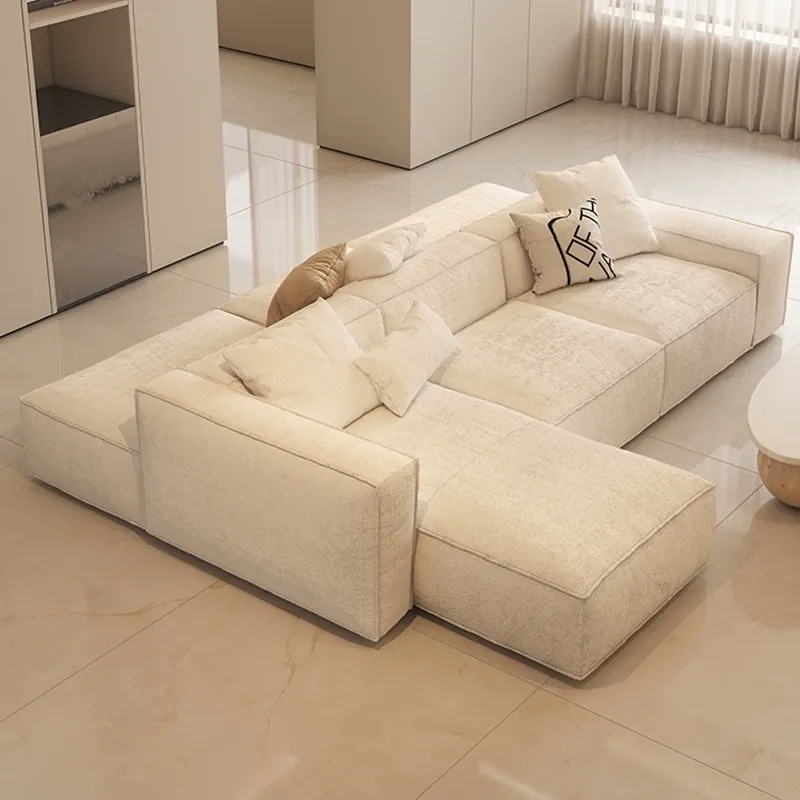
For urban dwellers in cities like London, New York, or Dubai—where square footage often comes at a premium—modular sofas have become more than just furniture. They’re strategic tools for maximizing comfort, flow, and functionality in compact spaces. According to a 2023 study by the International Interior Design Association (IIDA), over 67% of renters under age 35 prioritize flexible seating solutions when choosing a living room layout.
In small apartments (typically under 50 m²), traditional sectional sofas can create bottlenecks and wasted space. That’s where modular designs shine. A well-placed U-shaped configuration creates an intimate conversation zone while maintaining clear pathways—ideal for one-bedroom flats with limited corridor width.
Real-world example: In a case study conducted across 12 rental units in Berlin, residents reported a 30% increase in perceived room size after switching from fixed to modular U-shape setups. The key? Strategic placement that avoids blocking doorways or interrupting natural movement patterns—a principle rooted in human-centered ergonomics.
| Layout Type | Best For | Avg. Space Efficiency Score (1–10) |
|---|---|---|
| U-Shape | Two-person lounging + storage flexibility | 8.4 |
| L-Shape | Corner integration + multi-use zones | 7.9 |
Comfort isn’t just subjective—it’s measurable. Research from the University of Applied Sciences in Hamburg shows that seat depths between 60–70 cm provide optimal lumbar support for average-height users (165–180 cm). Below 60 cm, users report discomfort within 30 minutes of sitting; above 70 cm, there’s excessive leg extension without added benefit.
Equally critical is foam density. High-resilience polyurethane foam (≥35 kg/m³) prevents sagging over time—especially important for modular pieces that may be reconfigured weekly. One user review on our platform noted: “After 18 months, my L-shape still feels as firm as day one.”
Modular systems aren’t just about shape—they’re about function. A detachable footrest transforms into a coffee table, side chair, or even a temporary bed for guests. In a survey of 200 interior designers in Singapore, 72% said this feature significantly improved client satisfaction in studio apartments.
This versatility aligns perfectly with modern lifestyles: remote work, weekend hosting, and minimalism all demand smarter furniture choices—not just better aesthetics.
Many clients fall into the trap of prioritizing visual symmetry over practicality. For instance, placing a full U-shape sofa against a wall might look balanced—but it blocks access to windows and reduces airflow. Our team recommends using a simple “three-step test”:
“We don’t sell sofas—we build living ecosystems.” That’s how we guide customers through the selection process. Whether you're a designer sourcing for clients or a homeowner optimizing your first apartment, smart modularity is the future of efficient design.


