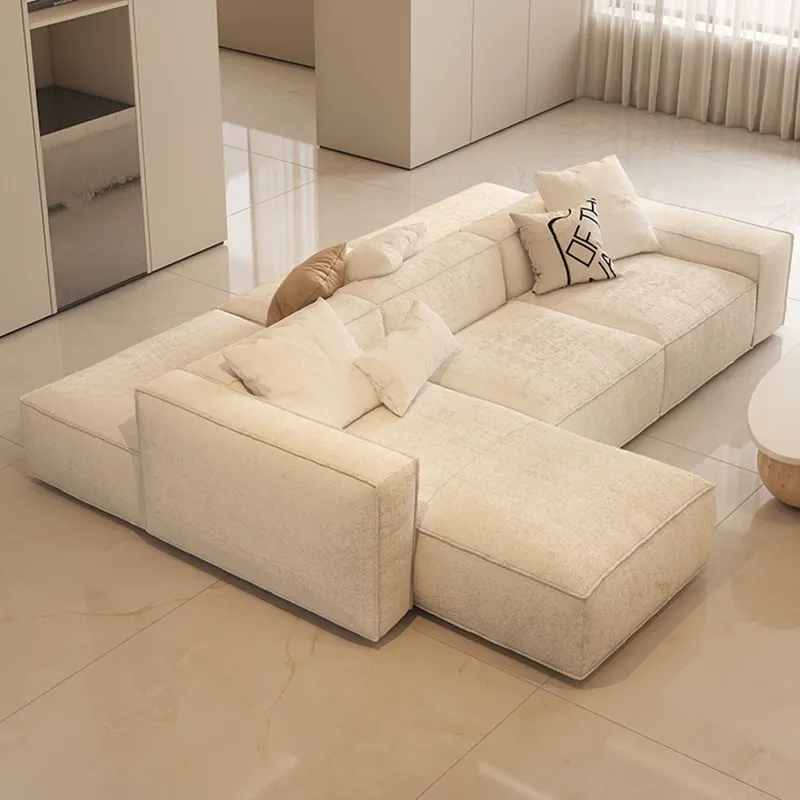
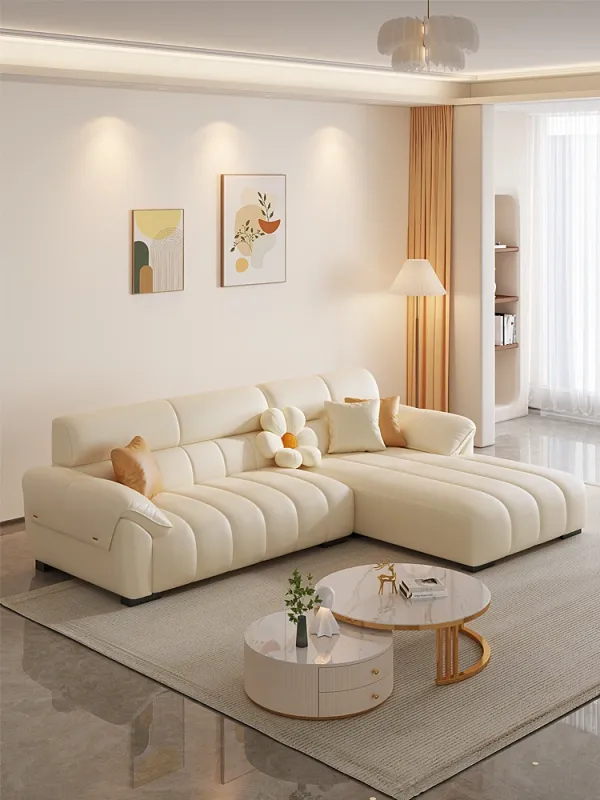
We've all been there - that moment when you stand in your living room, staring at a traditional sofa that seems to take up half the space, leaving little room for anything else. In today's urban living, where the average apartment size in major cities has shrunk by nearly 15% over the past decade according to urban planning studies, making every square inch count isn't just a design choice; it's a necessity.
Small living spaces demand furniture that works as hard as you do. Traditional fixed sofas often create three critical problems:
These issues aren't just about aesthetics; they directly impact your quality of life. A study by the International Interior Design Association found that poorly planned furniture layouts can increase daily stress levels by up to 22% for city dwellers.
Enter modular sofas - the chameleons of living room furniture. Unlike their fixed counterparts, modular designs offer a level of adaptability that transforms how we use our space. The key lies in their construction: individual seating units that can be reconfigured to suit different needs, room shapes, and occasions.
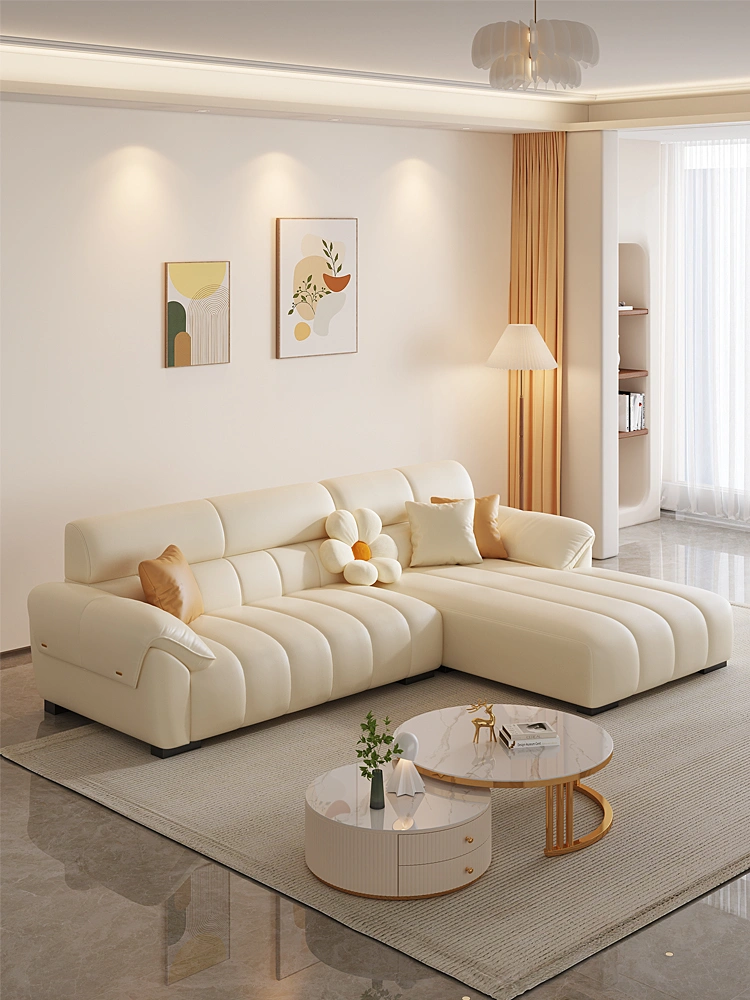
Two configurations stand out for small spaces, each with distinct advantages:
Ideal for open-concept spaces or square rooms, U-shaped modular sofas create a cozy conversational area while maintaining visual boundaries. The wrap-around design can make a 350 sq ft living area feel 15-20% more spacious by defining functional zones without using walls or dividers.
Perfect for rectangular rooms or apartments where space is limited along one wall. L-shaped modules maximize corner space, often freeing up 25-30% more floor area compared to traditional three-seater sofas of similar seating capacity.
"The beauty of modular design lies in its ability to evolve with your lifestyle. A young professional might start with a compact L-shape, then add modules as their family grows or living situation changes. It's furniture that grows with you."
While flexibility is crucial, a sofa must still deliver on comfort. The 60-70cm seat depth range has emerged as the sweet spot for modern modular designs, but this dimension isn't arbitrary - it's rooted in ergonomic science.
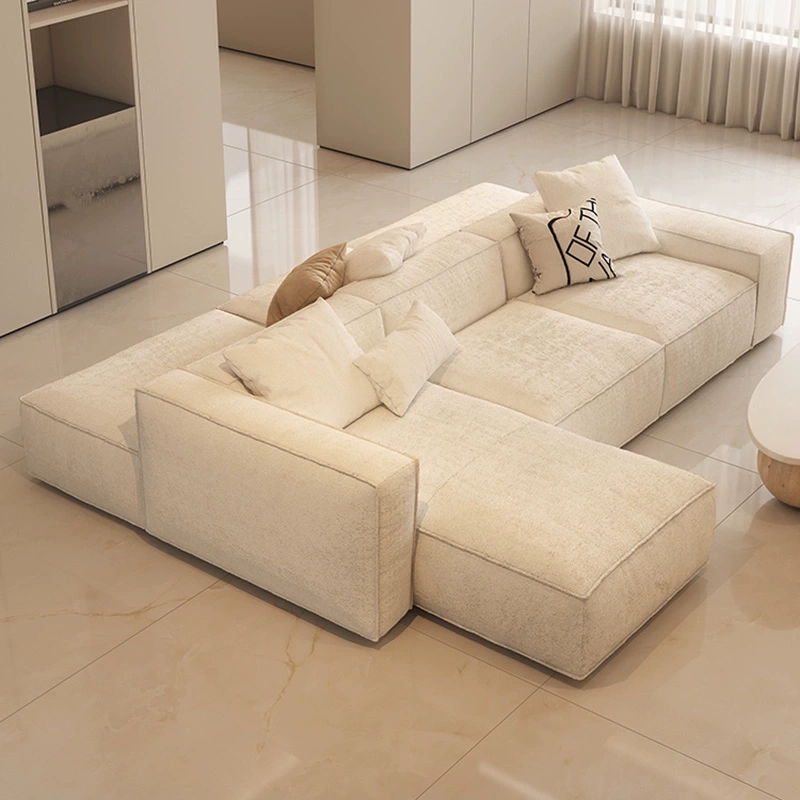
Research into human seating ergonomics shows that this depth range accommodates the average adult's leg length and hip-to-knee measurement, allowing for three distinct comfortable positions:
The key to maintaining comfort over time lies in the combination of high-density foam (typically 35-40 kg/m³ density) and reinforced wooden frames, which prevent sagging even with daily use. This construction ensures that your sofa maintains its shape and support for 7-10 years, compared to 3-5 years for lower-quality alternatives.
Perhaps the most versatile component of modular sofa systems is the detachable ottoman. Far more than just a footrest, these multi-functional pieces address several small-space challenges simultaneously.
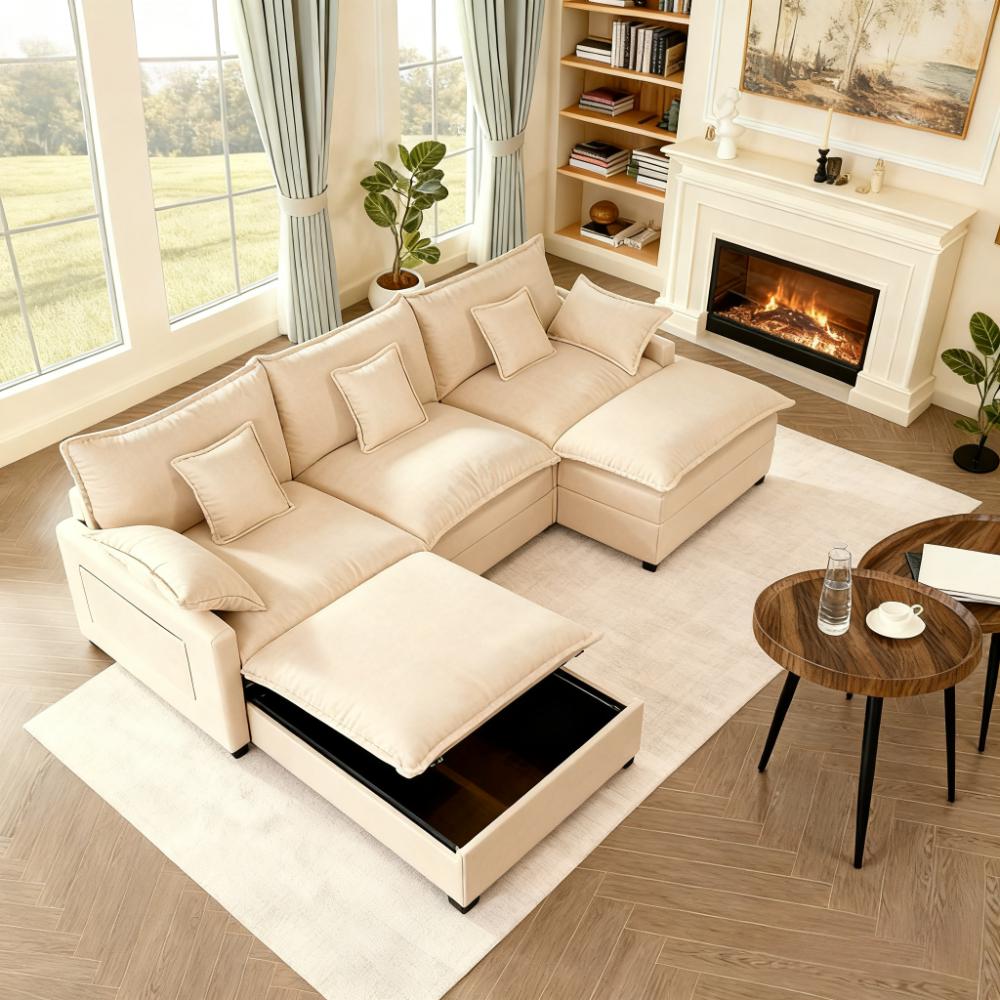
Jennifer, a marketing professional living in a 480 sq ft apartment in Chicago, shares her experience: "My ottoman has transformed how I use my space. During the day, it's extra seating when I work from home. In the evening, it becomes my coffee table. When friends stay over, it provides both seating and storage for their belongings. It's like having an extra piece of furniture that disappears when not needed."
Not all modular sofas are created equal. To ensure you're investing in a system that truly maximizes your space, follow this simple assessment framework:
Map your room dimensions and identify traffic flow patterns. A good modular system should improve pathways, not block them.
Consider how you use your space weekly. Do you host guests? Work from home? Need storage? Your sofa should adapt to these needs.
Choose a system with expandable modules. Your space needs may change, and your sofa should be able to evolve with them.
By following these steps, you'll avoid the common pitfalls of choosing furniture based solely on aesthetics, ensuring your investment continues to serve you as your needs change over time.
Discover our range of modular sofa systems designed specifically for urban living. Each piece combines intelligent engineering with premium materials to create furniture that adapts to your life, not the other way around.
Explore Space-Maximizing Modular SolutionsRemember, in small space living, every piece of furniture should earn its place. A well-designed modular sofa doesn't just fill space—it enhances it, creating a living environment that feels larger, more functional, and uniquely yours. The difference between feeling cramped and feeling comfortable often comes down to choosing flexibility over fixed solutions, and investing in pieces that work as hard as you do to make the most of every square inch.
 322
|
322
|
 storage bed storage techniques
small - sized bedroom space utilization
hydraulic lifting bed design
home storage guide
modern minimalist furniture
349
|
FSC certified wood
eco-friendly furniture
CARB甲醛限值
REACH compliance
sustainable home materials
131
|
high density foam sofa
sofa durability
memory foam vs down fill
tech fabric sofa
modular sofa assembly
424
|
furniture environmental certification
FSC wood certification
CARB formaldehyde standards
abrasion-resistant tech fabric
solid wood furniture durability
98
|
modular sofa for small apartment
small living room layout
sofa seat depth 60-70 cm
detachable ottoman storage
living room traffic flow optimization
storage bed storage techniques
small - sized bedroom space utilization
hydraulic lifting bed design
home storage guide
modern minimalist furniture
349
|
FSC certified wood
eco-friendly furniture
CARB甲醛限值
REACH compliance
sustainable home materials
131
|
high density foam sofa
sofa durability
memory foam vs down fill
tech fabric sofa
modular sofa assembly
424
|
furniture environmental certification
FSC wood certification
CARB formaldehyde standards
abrasion-resistant tech fabric
solid wood furniture durability
98
|
modular sofa for small apartment
small living room layout
sofa seat depth 60-70 cm
detachable ottoman storage
living room traffic flow optimization