When it comes to premium furniture design, one small detail often makes a big difference: the hinge. While most buyers focus on aesthetics or materials like wood or upholstery, the unsung hero of smooth operation and quiet living is the silent hinge. For manufacturers targeting global markets—from North America to Europe and the Middle East—understanding how these mechanisms work isn’t just technical curiosity—it’s a competitive edge.
Traditional hinges rely on metal-on-metal contact, which creates friction—and noise. A standard cabinet door slamming shut can reach up to 70 decibels (dB), comparable to a vacuum cleaner. In contrast, a well-designed silent hinge uses a combination of stainless steel springs and nylon bushings to absorb motion energy before it turns into sound.
According to data from the International Acoustics Association, reducing hinge noise by even 15 dB significantly improves perceived quality in home environments—especially for families with children, elderly members, or pets who are sensitive to sudden sounds.
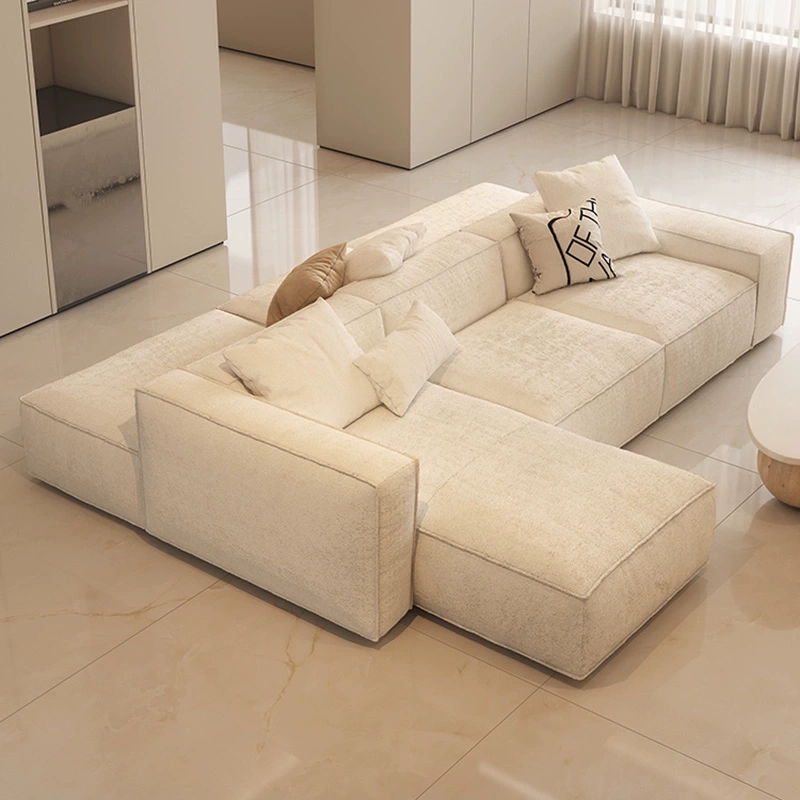
Imagine this: You're trying to sleep after a long day, and suddenly—“clunk!”—your bedroom closet door slams open. That’s not just annoying—it disrupts rest, especially in shared spaces like apartments or multi-generational homes. This is where silent hinges shine. By integrating a buffered damping system, they allow doors to close gently over 2–3 seconds instead of snapping shut abruptly.
At Qingpu Fang Furniture, we’ve tested our hinges under real-world conditions—over 50,000 cycles without wear. The result? Consistent performance across years of use, even in humid climates like Southeast Asia or coastal regions in the U.S.
Homeowners today aren’t just buying furniture—they’re investing in lifestyle experiences. Whether it’s a folding sofa bed in a studio apartment or a modular wardrobe in a modern kitchen, silent hinges contribute directly to comfort, privacy, and daily calm.
And there’s more: With rising demand for sustainable products, brands are shifting toward eco-friendly materials like recycled nylon and corrosion-resistant stainless steel. These choices align with EU Green Deal standards and appeal to conscious consumers in Germany, Scandinavia, and Canada.
Have you ever heard your cabinet make an unexpected “bang” at night? If so, you’re not alone. Many customers report improved sleep quality and reduced stress once they switch to silent hinges. It’s not just about silence—it’s about creating a space that feels safe, intentional, and deeply personal.
As smart home integration grows, some manufacturers are already testing hinges with built-in sensors to monitor usage patterns and alert users when maintenance is needed—a move that could redefine what “quality hardware” means in 2025.
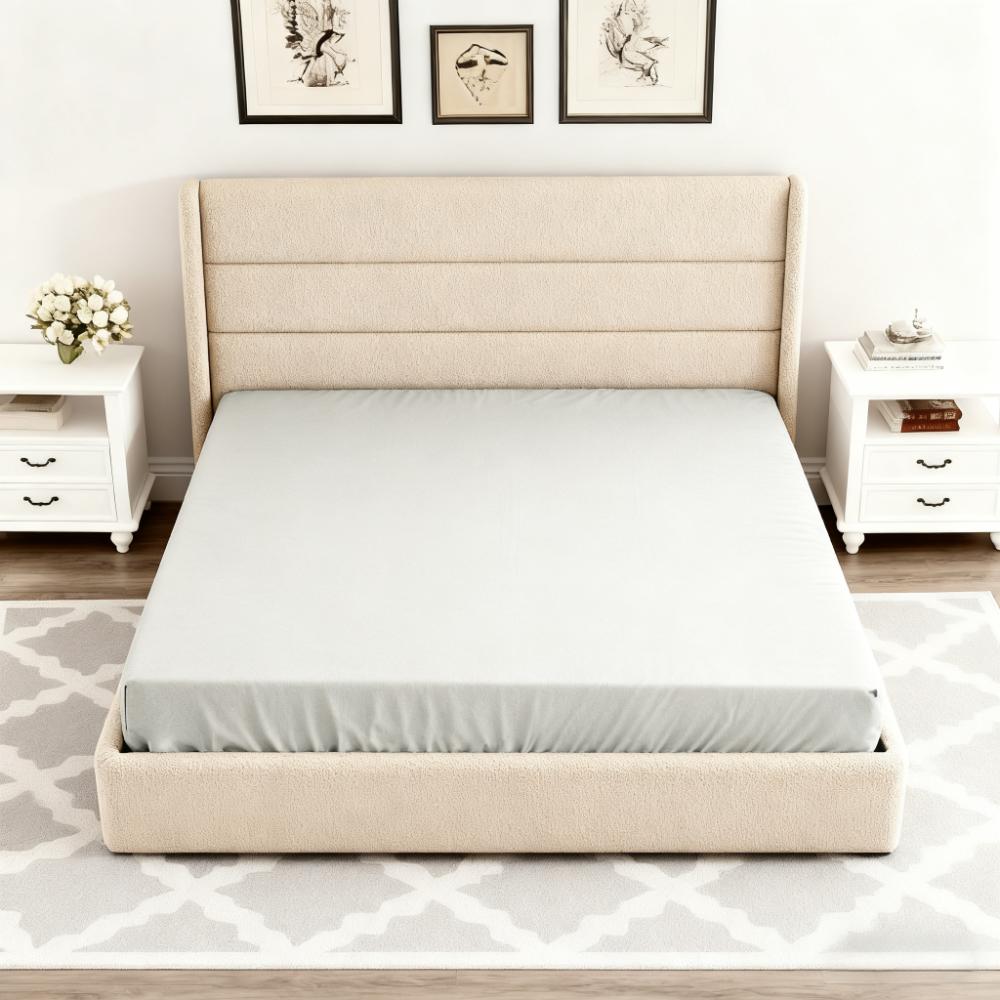
If you’re looking to boost your furniture’s international appeal—whether through Alibaba listings, Shopify stores, or trade show demos—this technology should be part of your story. It’s not just a feature; it’s a value proposition that speaks directly to modern lifestyles.
 177
|
177
|
 small space L-shaped sofa
L-shaped sofa size guide
removable cushion sofa
small living room layout
space-saving sofa tips
172
|
hydraulic storage bed
small bedroom space optimization
lift-up bed frame design
under-bed storage organization
storage zoning tips
119
|
hydraulic lift storage bed
small bedroom organization
modern storage bed design
quiet close mechanism
eco-friendly furniture
371
|
EN71 standard
children's furniture flame retardancy
ASTM F400-09
furniture export certification
EU ASTM sofa compliance
293
|
silent slide rails
storage bed slide rails
ball bearing guides
damping buffer system
storage bed buying guide
small space L-shaped sofa
L-shaped sofa size guide
removable cushion sofa
small living room layout
space-saving sofa tips
172
|
hydraulic storage bed
small bedroom space optimization
lift-up bed frame design
under-bed storage organization
storage zoning tips
119
|
hydraulic lift storage bed
small bedroom organization
modern storage bed design
quiet close mechanism
eco-friendly furniture
371
|
EN71 standard
children's furniture flame retardancy
ASTM F400-09
furniture export certification
EU ASTM sofa compliance
293
|
silent slide rails
storage bed slide rails
ball bearing guides
damping buffer system
storage bed buying guide