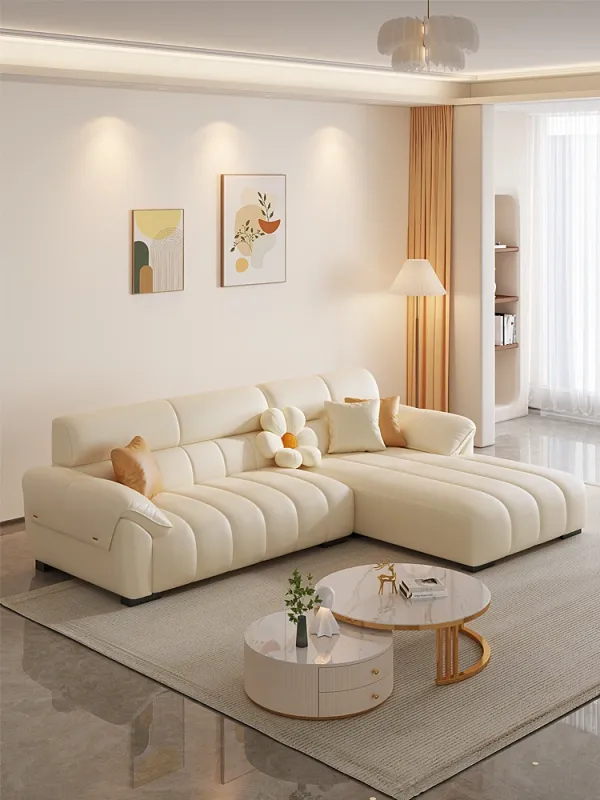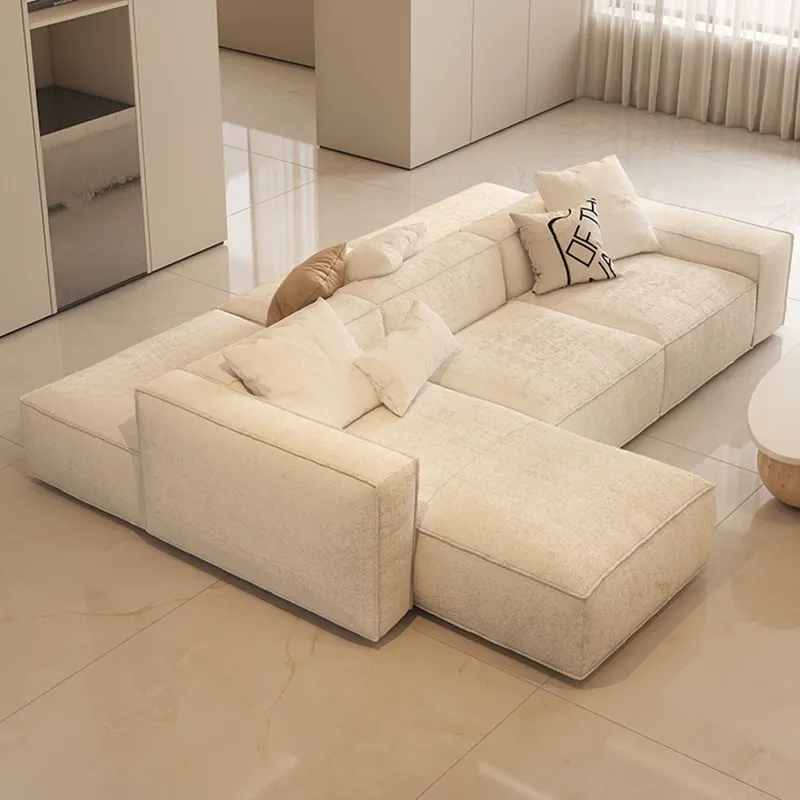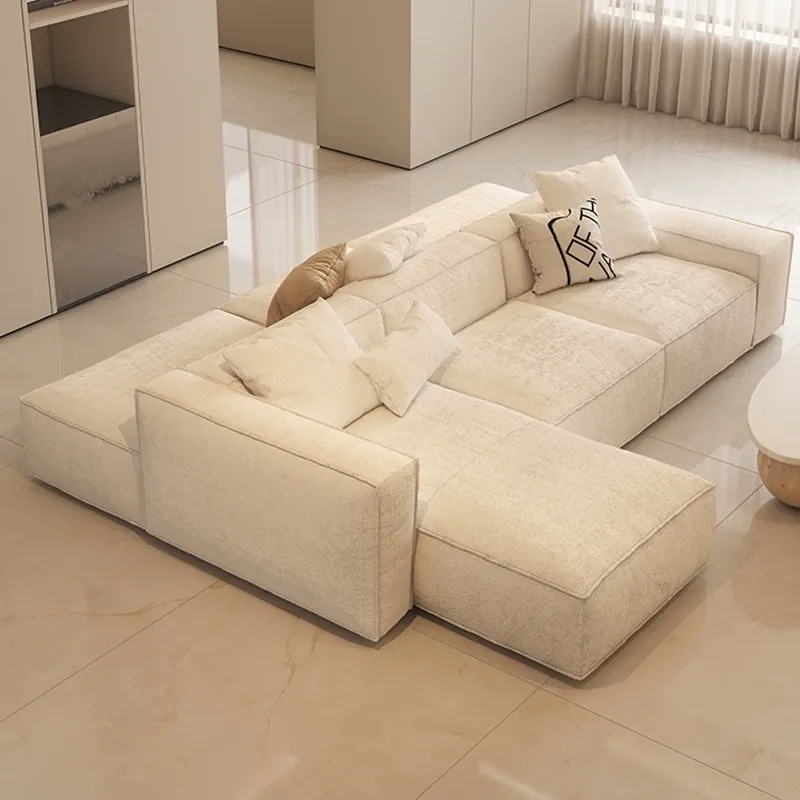
In today's urban living landscape, where square footage comes at a premium, the challenge of creating functional yet aesthetically pleasing living spaces has never been more critical. For homeowners and interior designers alike, finding furniture that maximizes space without compromising on comfort or style remains a top priority. Among the various solutions available, the L-shaped sofa has emerged as a versatile centerpiece that addresses these dual concerns effectively.
Statistics reveal that urban apartments worldwide are shrinking, with the average living space in major cities decreasing by approximately 15% over the past decade (Global Urban Housing Report, 2023). This trend has intensified the need for space-efficient furniture solutions. L-shaped sofas, by design, utilize corner spaces that often go unused, effectively increasing seating capacity by 30-40% compared to traditional three-seater sofas of similar footprint.
The strategic placement of an L-shaped sofa can transform an awkward corner into a functional seating area, creating natural division in open-concept layouts without the need for permanent walls or room dividers.
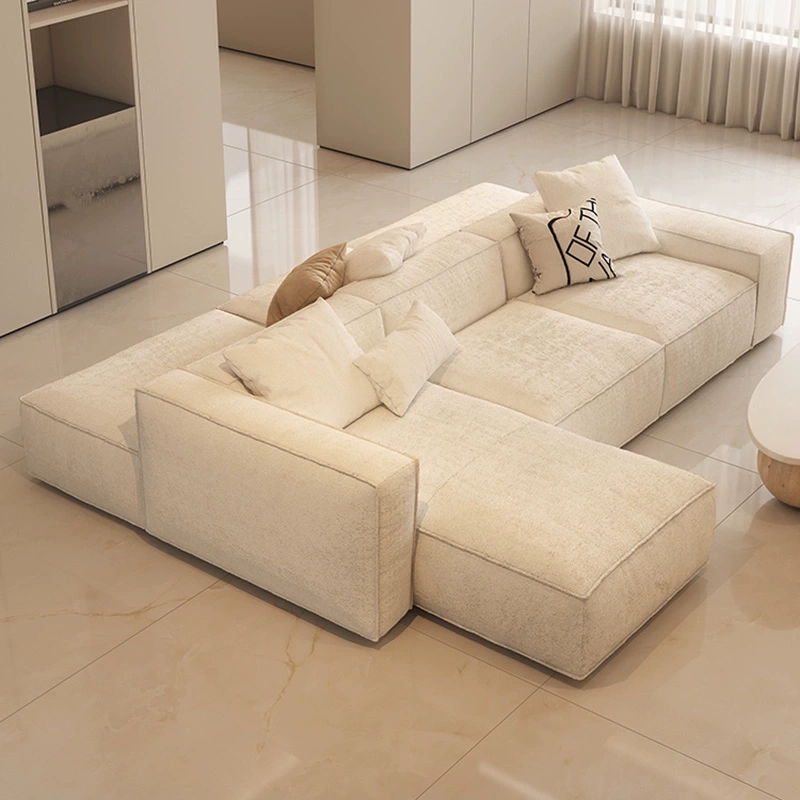
Ergonomic studies suggest that the ideal seat depth for optimal comfort ranges between 50-60 cm (19.7-23.6 inches). This dimension allows for proper back support while accommodating individuals of various heights. Shallow seats (less than 45cm) often lead to discomfort during extended sitting, while seats deeper than 65cm can cause difficulty in getting up, particularly for elderly users.
Functional armrests should measure between 60-75 cm (23.6-29.5 inches) from the floor, providing adequate support for the arms while maintaining visual balance. Proportion is key – armrests that are too high can overwhelm a small space, while those too low sacrifice comfort and aesthetic appeal.
When planning your space, maintain a minimum clearance of 75-90 cm (29.5-35.4 inches) between the sofa and coffee table to ensure comfortable movement. For compact living rooms (under 25 sq.m), consider L-shaped sofas with total dimensions ranging from 200-240 cm in length for the main section and 150-180 cm for the chaise, creating a balance between seating capacity and spatial efficiency.
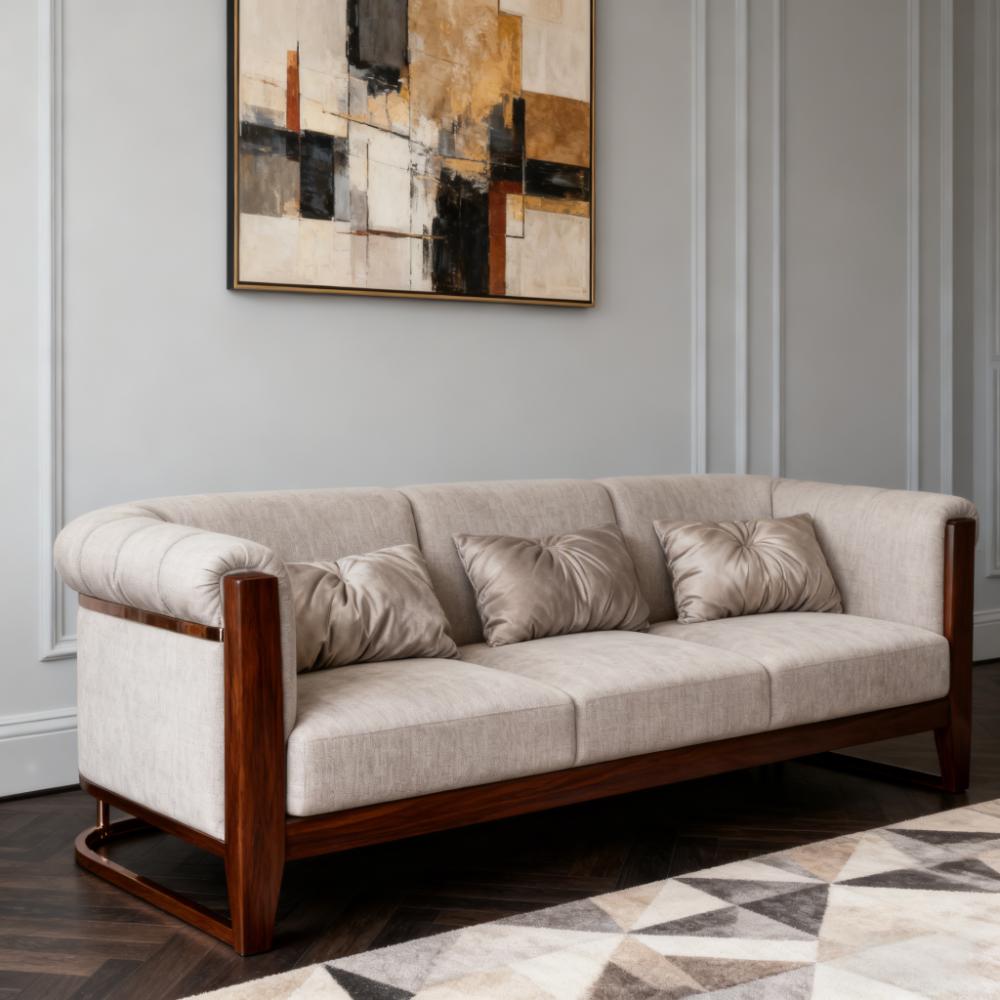
The choice of upholstery and frame materials significantly impacts both the longevity and practicality of your L-shaped sofa, especially in high-traffic household environments. Velvet fabrics, once considered high-maintenance, have evolved with modern textile technology to offer enhanced durability.
When selecting furniture for global markets, adherence to international standards is paramount. Reputable manufacturers ensure their products meet or exceed key certifications, including:
These certifications not only ensure user safety but also facilitate smoother import processes and reduce compliance risks for international buyers and distributors.
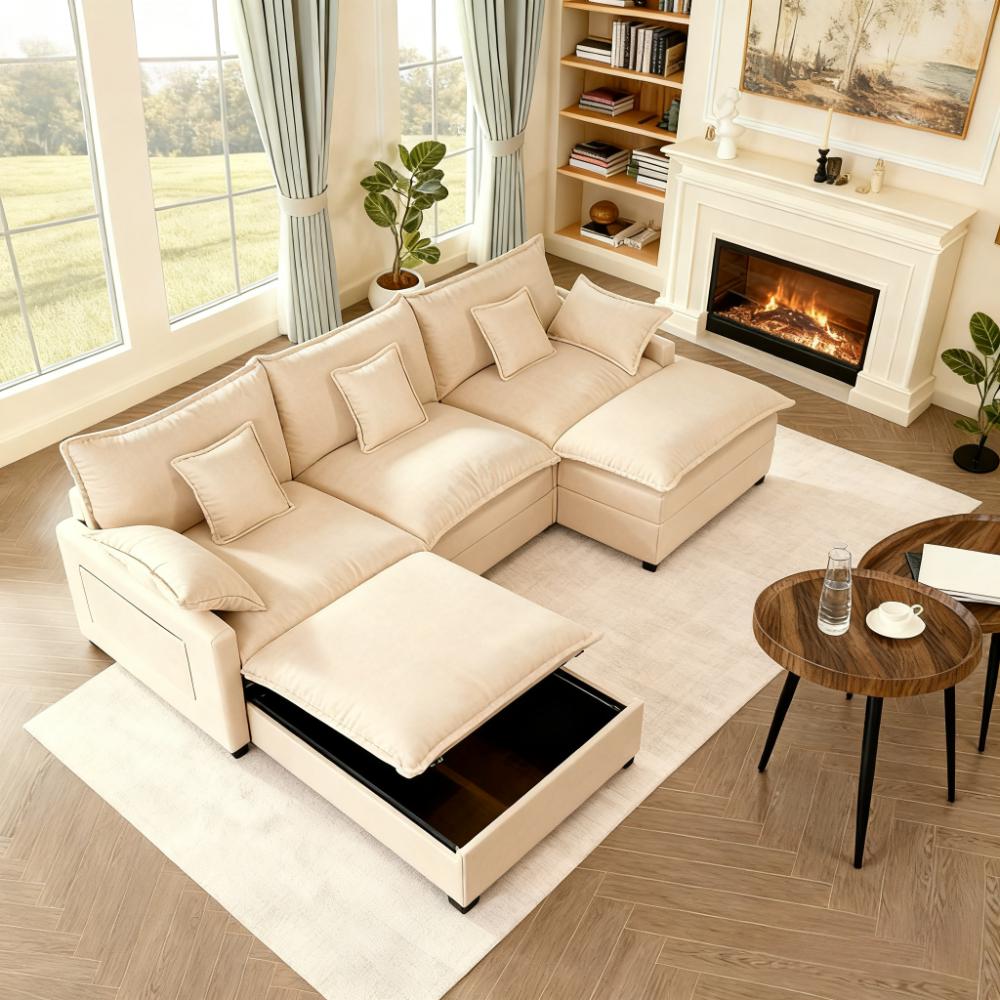
Successfully integrating an L-shaped sofa into your space requires careful planning. Start by creating a detailed floor plan with precise measurements of doorways, hallways, and stairwells to ensure delivery and installation feasibility – a common oversight that leads to 30% of furniture return issues according to industry data.
Consider the room's primary function and traffic patterns. In living rooms focused on entertainment, position the sofa to optimize TV viewing angles while maintaining conversation flow. For multi-functional spaces, select modular L-shaped designs that allow reconfiguration as needs change.
Discover how Zhengzhou Qingpufang Furniture's 3-seater Mid-Century Style Velvet L-shaped Sofa combines timeless design with space-maximizing functionality. Experience the perfect balance of comfort, durability, and aesthetic appeal tailored for modern urban living.
Explore the Space-Efficient L-Shaped Sofa CollectionRemember that the most successful small space furniture solutions prioritize both form and function. An L-shaped sofa, when properly selected and positioned, can serve as the foundation of a living space that feels both spacious and inviting, proving that thoughtful design can overcome the limitations of square footage.
 462
|
462
|
 silent slide rails for storage beds
storage bed drawer noise solutions
silent slide rail selection guide
home storage silent design
bed frame mattress compatibility
104
|
memory foam sofa fill
down blend cushion
modular sofa design
sofa comfort test
high density foam
433
|
EN71 standard analysis
ASTM children's furniture safety
Modular furniture certification
ISO9001 quality management
Furniture export compliance
73
|
sofa durability
high - density sponge material
sofa fabric comparison
modular sofa assembly
comfortable sofa recommendation
424
|
furniture environmental certification
FSC wood certification
CARB formaldehyde standards
abrasion-resistant tech fabric
solid wood furniture durability
silent slide rails for storage beds
storage bed drawer noise solutions
silent slide rail selection guide
home storage silent design
bed frame mattress compatibility
104
|
memory foam sofa fill
down blend cushion
modular sofa design
sofa comfort test
high density foam
433
|
EN71 standard analysis
ASTM children's furniture safety
Modular furniture certification
ISO9001 quality management
Furniture export compliance
73
|
sofa durability
high - density sponge material
sofa fabric comparison
modular sofa assembly
comfortable sofa recommendation
424
|
furniture environmental certification
FSC wood certification
CARB formaldehyde standards
abrasion-resistant tech fabric
solid wood furniture durability