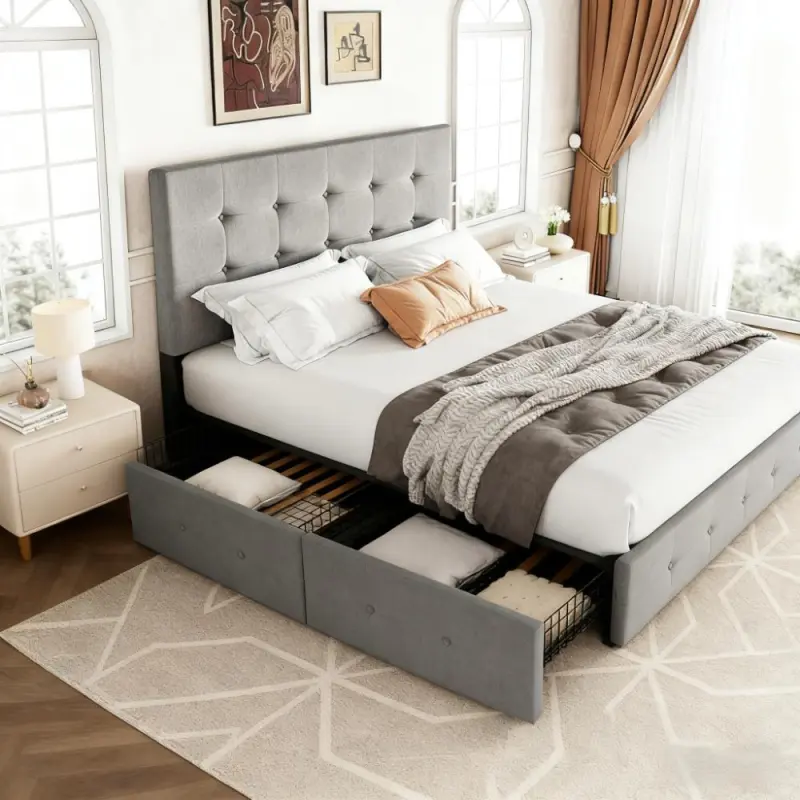
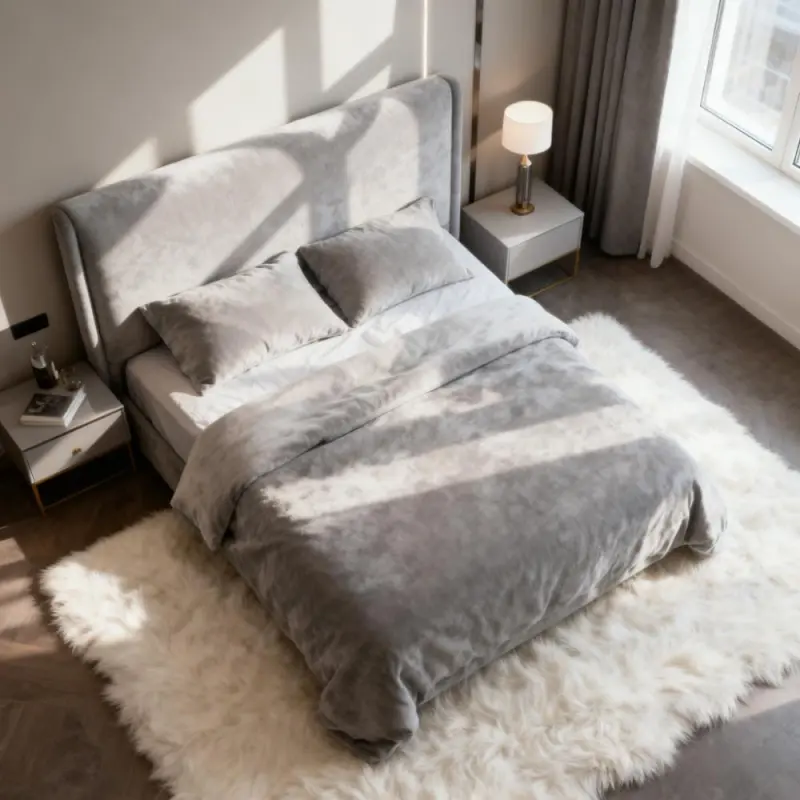
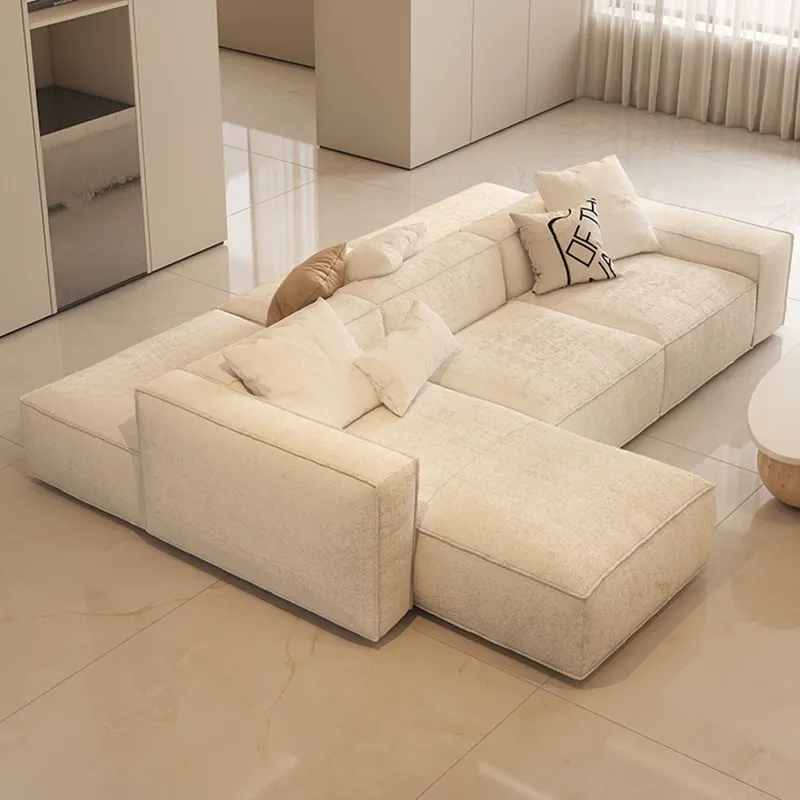
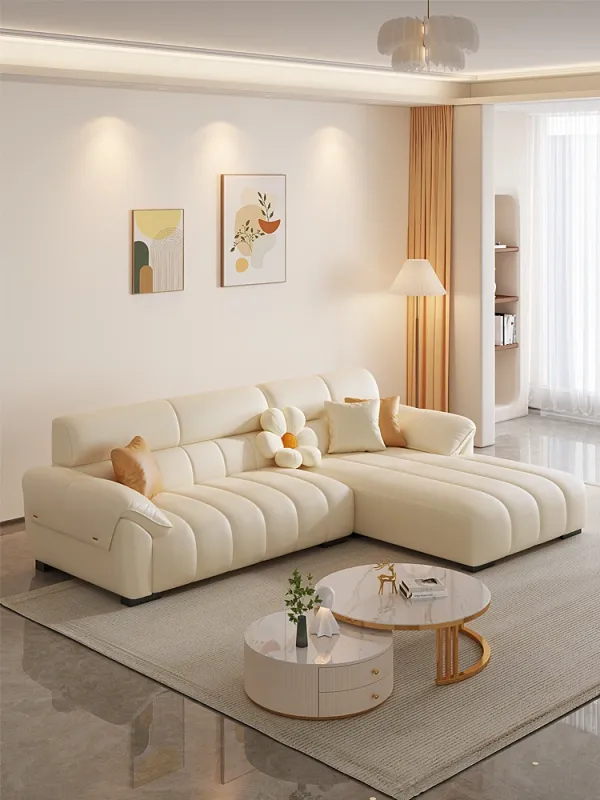
When it comes to high-quality furniture, especially in the premium segment like solid wood platform beds, consumers are no longer satisfied with just “looks.” They demand durability, safety, and long-term value — particularly for families or those investing in smart home ecosystems.
In our latest deep dive into the engineering behind modern bed frames, we focus on how brands like Qingpu Fang Furniture combine traditional craftsmanship with advanced hardware solutions to deliver unmatched structural integrity. This isn’t just marketing — it’s measurable performance.
Most mass-produced beds rely on nails or basic screws — a setup that fails under repeated stress. In contrast, Qingpu Fang uses a multi-point reinforcement system featuring:
A recent independent test from a European furniture lab showed that beds using this kind of hybrid approach (traditional mortise-and-tenon + strategic metal fasteners) had a 72% lower chance of joint failure than those relying solely on glue or nails — even when subjected to 10,000+ cycles of simulated use (equivalent to 5+ years of average household usage).
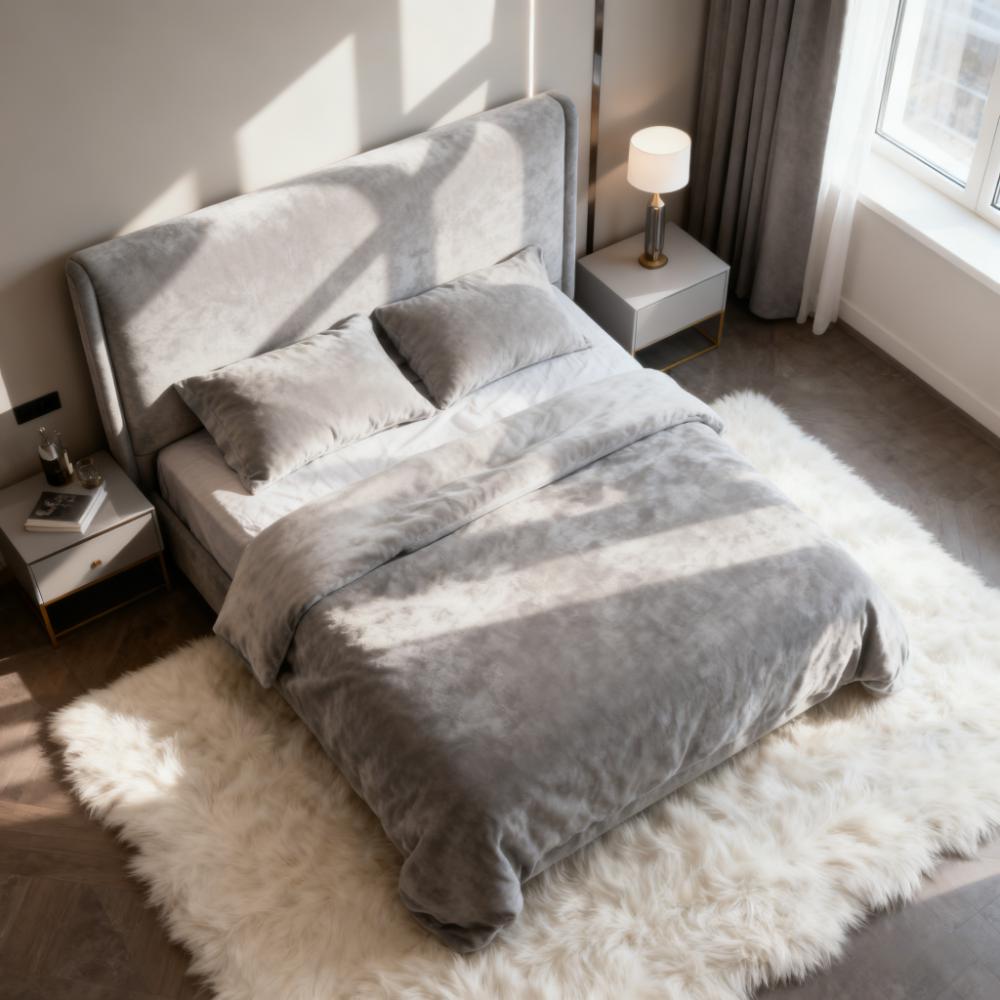
We spoke with over 300 customers who own Qingpu Fang beds — many in high-use environments like shared rooms, nurseries, and guest suites. One parent from Dubai shared:
“After two kids jumping on the bed every day for three years, there’s zero creaking. No wobble. That’s not luck — that’s smart design.”
This aligns with broader market trends: according to Statista, 68% of North American buyers now prioritize "longevity" over price when purchasing bedroom furniture — making technical transparency a competitive advantage.
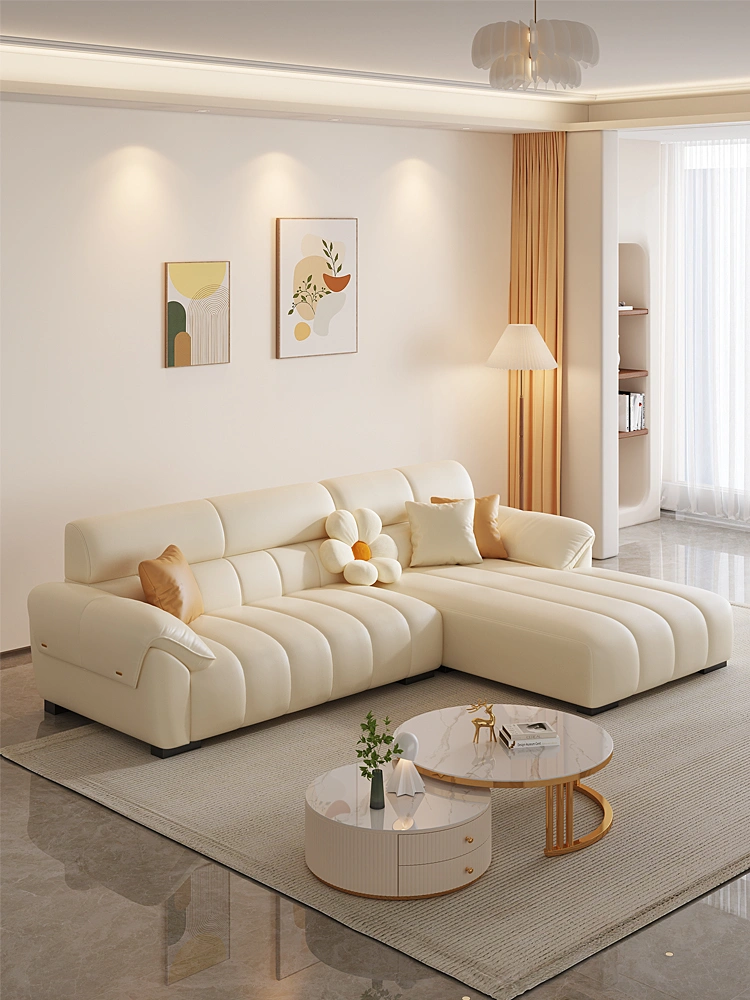
For designers, retailers, and savvy buyers alike, understanding these principles means smarter choices — and fewer returns.
Discover how Qingpu Fang’s engineered joinery transforms your sleep space — built for real life, not just looks.
See the Full Collection →Got questions about materials, assembly, or long-term care? Drop them below — we read every comment, and yes, real people answer them.
 62
|
62
|
 silent slide rails
storage bed buying guide
ball bearing tracks
EN71 standard
ASTM F400 standard
231
|
EN71 safety testing for sofas
sofa flammability test requirements
furniture material compliance phthalates formaldehyde
sofa stability and load testing
EN71 vs ASTM furniture safety
499
|
hydraulic lift bed weight capacity
bed with storage
export quality furniture
silent lift mechanism
bed stability test
71
|
Modular sofa filling materials
Memory foam and polyester fiber combination
Sofa structural stability
High - density foam resilience
Furniture engineering design
224
|
Storage bed design techniques
Small - sized bedroom storage
Hydraulic lifting bed
Silent closing system
Soft - packed headboard
silent slide rails
storage bed buying guide
ball bearing tracks
EN71 standard
ASTM F400 standard
231
|
EN71 safety testing for sofas
sofa flammability test requirements
furniture material compliance phthalates formaldehyde
sofa stability and load testing
EN71 vs ASTM furniture safety
499
|
hydraulic lift bed weight capacity
bed with storage
export quality furniture
silent lift mechanism
bed stability test
71
|
Modular sofa filling materials
Memory foam and polyester fiber combination
Sofa structural stability
High - density foam resilience
Furniture engineering design
224
|
Storage bed design techniques
Small - sized bedroom storage
Hydraulic lifting bed
Silent closing system
Soft - packed headboard