

In the European, American, and North American markets, environmental certifications for furniture play a crucial role in ensuring the health and safety of consumers. The FSC (Forest Stewardship Council) certification, for example, focuses on wood traceability. It guarantees that the wood used in furniture comes from sustainably managed forests. According to industry reports, over 70% of consumers in these regions prefer furniture with FSC - certified wood, as it indicates responsible forestry practices and a lower environmental impact.
The CARB (California Air Resources Board) standard is another important benchmark. It strictly controls formaldehyde emissions in furniture products. Furniture that meets the CARB standard can significantly reduce the risk of indoor air pollution. In fact, studies have shown that homes with CARB - compliant furniture have up to 50% lower formaldehyde levels compared to those without. Additionally, the REACH (Registration, Evaluation, Authorization and Restriction of Chemicals) regulation in the European Union restricts the use of harmful substances in furniture, safeguarding consumers from potential chemical hazards.
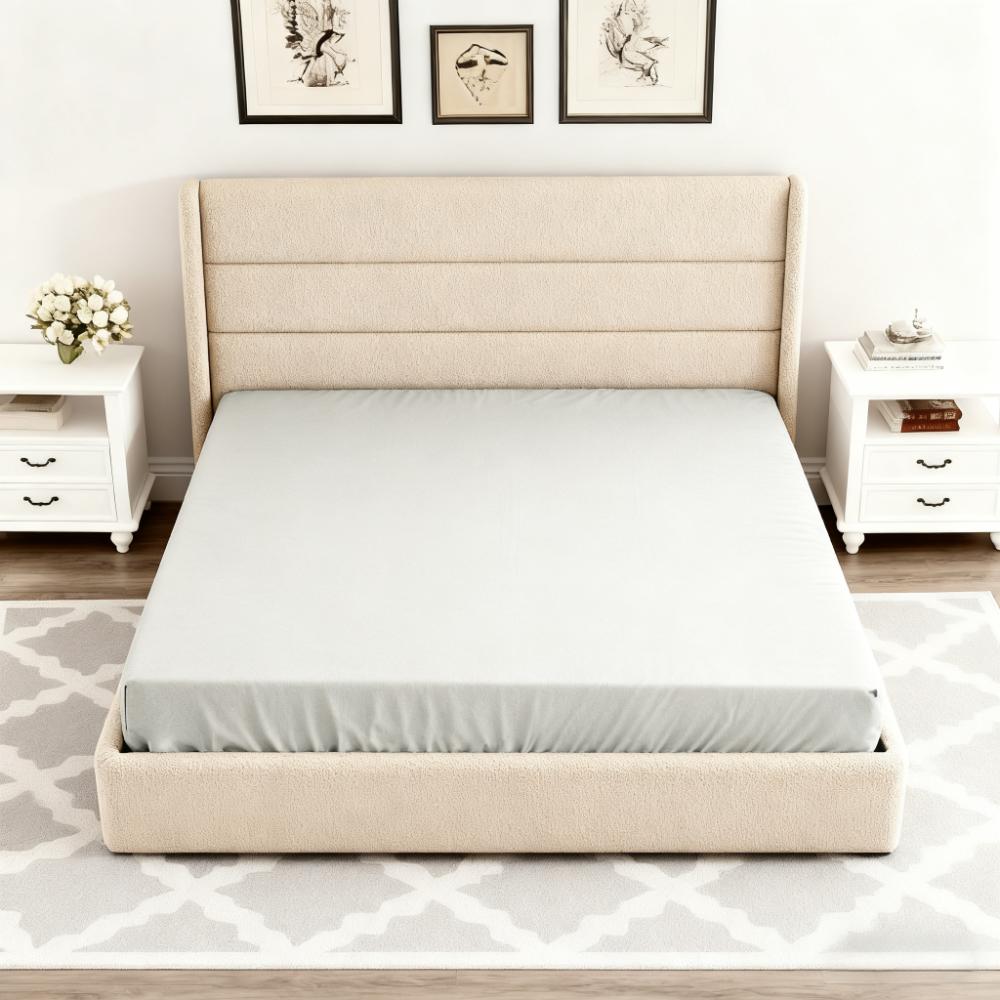
Solid wood frames offer exceptional durability. They can withstand heavy use and have a longer lifespan compared to other frame materials. For instance, a solid oak frame can last up to 20 - 30 years with proper care. Moreover, solid wood is a natural and renewable material, making it an environmentally friendly choice. When combined with FSC - certified wood, it becomes an even more sustainable option for furniture.
Wear - resistant tech fabrics are designed to resist scratches and abrasions. They are an ideal choice for high - traffic areas in the home, such as living rooms and family rooms. These fabrics can maintain their appearance even after years of use. In a comparison test, a sofa covered with wear - resistant tech fabric showed only minor signs of wear after 10,000 rubs, while a sofa with regular fabric had visible damage after just 2,000 rubs.
Moisture - resistant fabrics are essential for areas prone to humidity, like basements and coastal homes. They prevent the growth of mold and mildew, which can not only damage the furniture but also pose health risks to occupants. A customer in a coastal area reported that after replacing their old sofa with one covered in moisture - resistant fabric, they no longer had issues with mold growth, even during the rainy season.
Detail design in furniture can significantly enhance safety and user satisfaction. Rounded corners on furniture reduce the risk of injury, especially in homes with children or the elderly. A study found that homes with furniture featuring rounded corners had a 30% lower incidence of accidental bumps and bruises. Anti - slip feet on furniture prevent it from sliding on smooth floors, reducing the risk of falls. In a commercial office setting, the installation of anti - slip feet on chairs led to a 40% decrease in chair - related accidents.
To help consumers identify truly environmentally friendly furniture, we can look at the following table:
| Criteria | How to Identify |
|---|---|
| Certifications | Check for FSC, CARB, and REACH certificates |
| Materials | Look for solid wood frames and wear - resistant tech fabrics |
| Detail Design | Inspect for rounded corners and anti - slip feet |
By following these guidelines, importers, designers, and environmentally conscious home users can make more informed decisions when purchasing furniture.
Learn More About Environmental Material Application Solutions


