
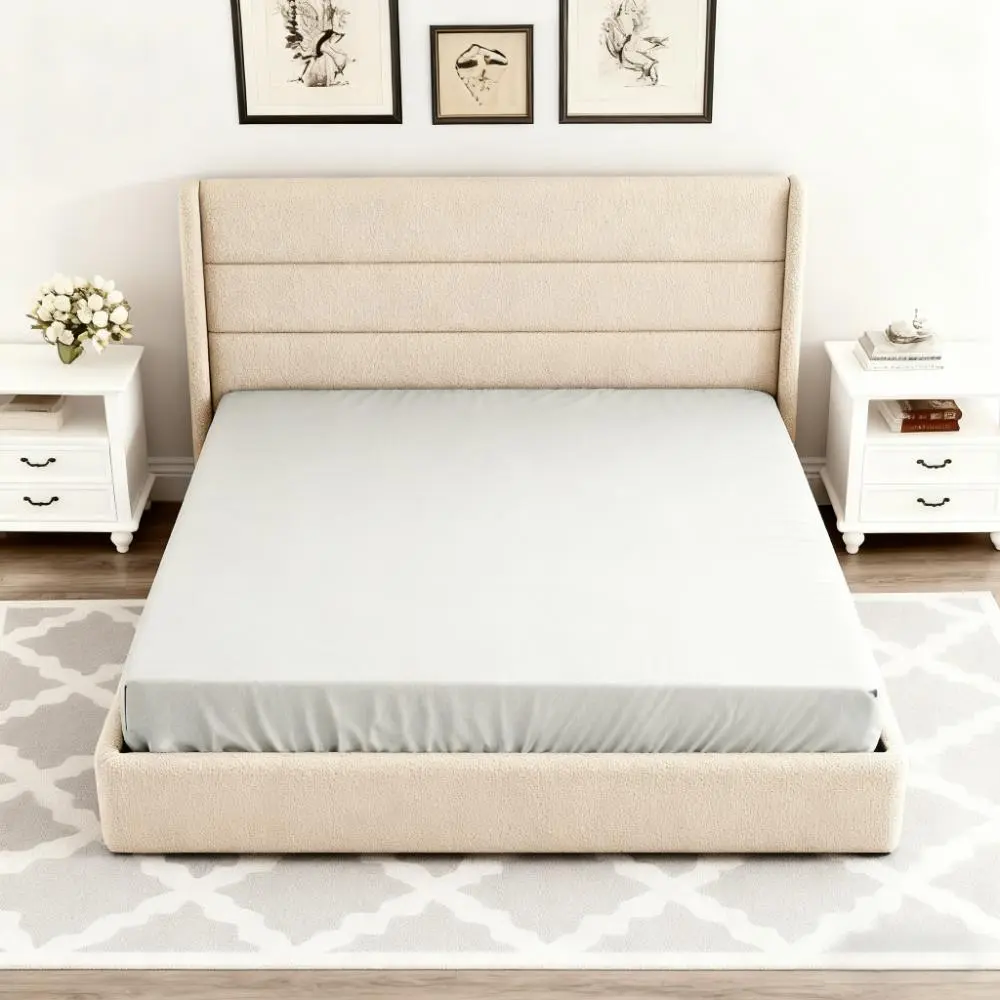
In today’s discerning furniture market across North America and Europe, environmental credentials and long-lasting quality have become decisive factors for both importers and end consumers. Among the most trusted approaches to ensure sustainable and robust furniture are the use of solid wood frames paired with wear-resistant technical fabrics. Understanding how these materials align with leading environmental certifications and thrive in daily use is vital for making informed purchasing decisions.
Leading sustainability benchmarks such as FSC (Forest Stewardship Council) wood certification, CARB (California Air Resources Board) compliance, and REACH (Registration, Evaluation, Authorization, and Restriction of Chemicals) regulation form the backbone of furniture eco-standards in western markets.
| Certification | Scope | Benefits |
|---|---|---|
| FSC Wood | Ensures timber is sourced responsibly from sustainably managed forests. | Supports biodiversity, reduces deforestation, and guarantees traceability. |
| CARB Standards | Regulates formaldehyde emissions from composite wood products. | Protects indoor air quality and human health. |
| REACH Regulation | Controls harmful chemical substances in products. | Minimizes toxic exposure and environmental pollution. |
Unlike engineered or particle boards, solid wood frames feature a natural strength and resilience that provide superior structural integrity. When classified under FSC-certified supply chains, the environmental footprint is significantly minimized. Additionally, solid wood can be reclaimed or recycled at end-of-life, reinforcing a circular economy ethos.
From a technical perspective, solid wood frames exhibit excellent load-bearing capacity and dimensional stability, resisting warping or degradation in standard residential environments. Finer woodworking details, such as precision joinery, add to their functional lifespan while allowing for easier maintenance and repairs.
The advent of durable tech fabrics notably elevates furniture usability without compromising environmental goals. Commonly crafted from synthetic fibers engineered for abrasion resistance, these textiles can endure daily wear from pets, children, and frequent use—which traditional natural fabrics might fail to withstand.
Besides abrasion resistance, these fabrics often incorporate:
These features substantially reduce the need for early replacement and chemical cleaning, aligning perfectly with consumer demand for long-lasting and low-maintenance furniture.
Ergonomic safety is critical, especially in households with children or elderly individuals. Thoughtful design details such as rounded edges minimize injury risk, while non-slip feet prevent unexpected furniture movement—enhancing end-user confidence and satisfaction.
These subtle features are often verified through third-party safety audits that complement environmental certifications, forming a comprehensive quality assurance for premium furniture buyers.
Consider a mid-sized importer specializing in eco-friendly furniture for boutique hotels across Europe. By prioritizing FSC-certified solid wood frames combined with advent-grade abrasion-resistant fabrics meeting CARB and REACH standards, the importer reported a 30% decrease in product returns related to durability issues over 24 months.
Meanwhile, a Scandinavian designer using moisture-resistant technical textiles experienced enhanced customer satisfaction attributed to easier cleaning and longer fabric life, with tangible reductions in chemical-based maintenance reported during feedback surveys.
Verification methods are essential to distinguish real sustainable furniture from imposters. This includes:
Through these checks, importers and retailers can offer transparent product stories that empower environmentally conscious consumers.


