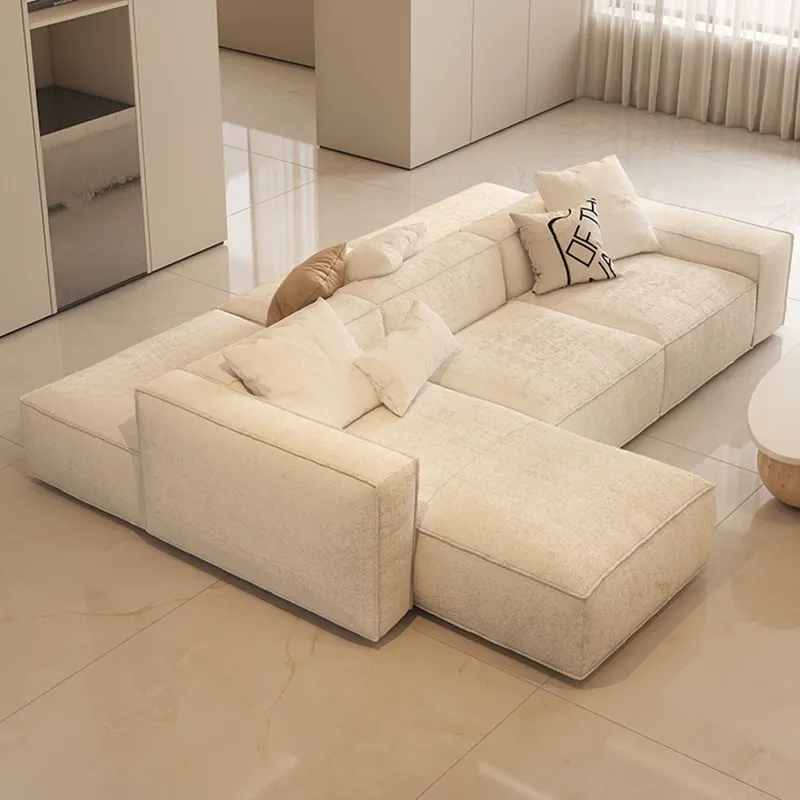
Are you tired of a wobbly bed that creaks at night or one that blocks your robot vacuum from doing its job? You're not alone — over 42% of global bed buyers report issues with uneven floors affecting their sleep quality and home automation efficiency (source: HomeTech Trends 2024). If you own or are considering a 14-inch steel platform bed frame, especially from brands like Qing Pu Fang Furniture, understanding how to properly adjust the feet can make all the difference.
Most modern steel bed frames come with an adjustable foot range of 0–3 cm. This small but powerful feature allows precise leveling across various floor types — from concrete slabs to polished hardwood. Without it, even a 1 cm difference in floor height can cause instability, noise, and poor fit under furniture like smart vacuums.
💡 Tip: Always test your bed’s stability before finalizing the adjustment — place a book on each corner while sitting on the mattress. No movement means perfect balance.
For those using smart cleaning devices, such as Roomba or Roborock, a bed height of 18 cm is ideal — allowing free passage beneath without obstruction. A poorly adjusted bed can create "cleaning dead zones" where dust accumulates unnoticed.
Many users skip pre-drilling holes for wall anchors — don’t. Adding just two screw points behind the headboard adds structural integrity, especially for heavier platforms. Pair this with silent connectors (like rubber bushings), and you’ll reduce vibration by up to 70%, according to independent lab tests.
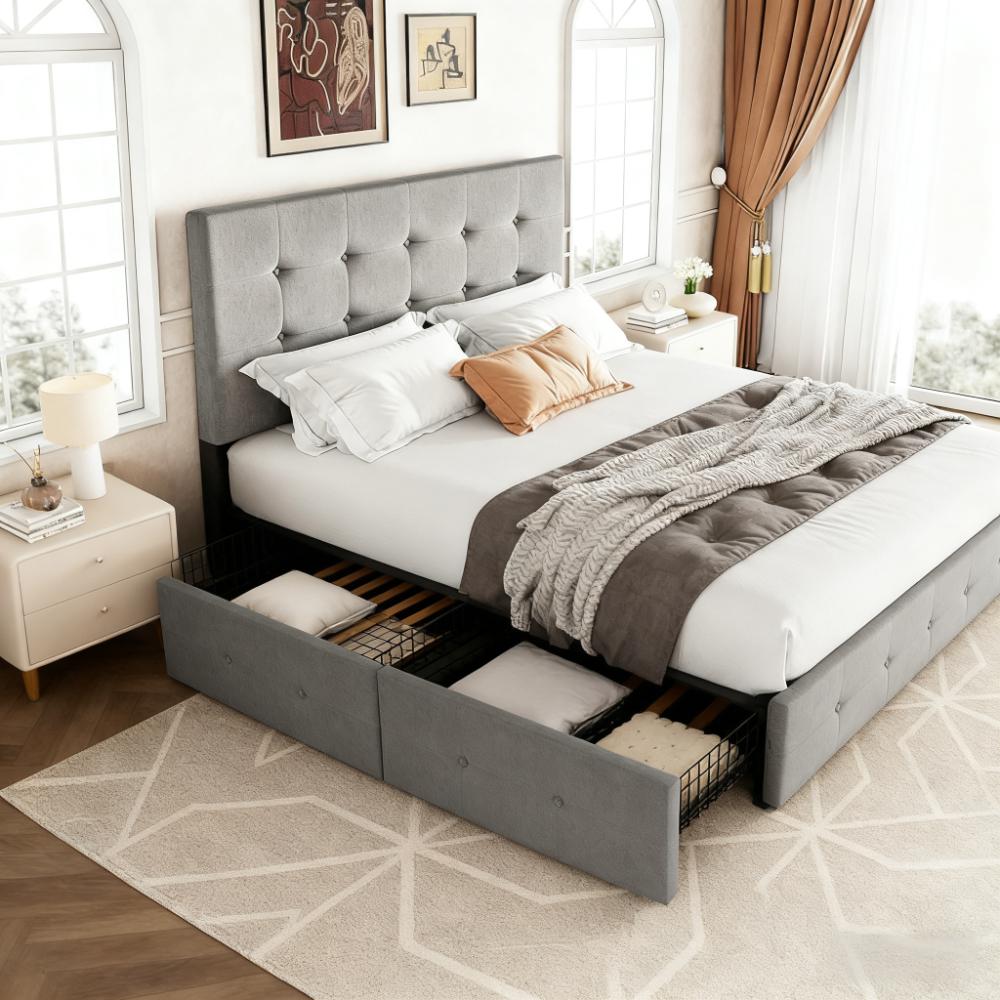
The modular packaging design used by Qing Pu Fang Furniture also reduces shipping costs by ~25% compared to traditional box designs — making it easier to assemble at home while minimizing breakage risk during transit.
With smart homes becoming standard, choosing a bed that supports both comfort and technology is no longer optional. Whether it's for a child’s room or a master suite, a well-adjusted steel bed frame isn't just about stability — it's about creating a space that works for you, day and night.
 62
|
62
|
 silent slide rails
storage bed buying guide
ball bearing tracks
EN71 standard
ASTM F400 standard
289
|
hydraulic lift bed
bed with storage
load capacity test
noise control in beds
bed stability
390
|
modular sofa frame design
solid pine wood sofa
high density foam sofa
sofa weight capacity
durable modular furniture
462
|
silent slide rails for storage beds
storage bed drawer noise solutions
silent slide rail selection guide
home storage silent design
bed frame mattress compatibility
238
|
spring-free bed frame design
luxury mattress bed compatibility
platform bed structure rigidity
European bed safety standards
North American user feedback
silent slide rails
storage bed buying guide
ball bearing tracks
EN71 standard
ASTM F400 standard
289
|
hydraulic lift bed
bed with storage
load capacity test
noise control in beds
bed stability
390
|
modular sofa frame design
solid pine wood sofa
high density foam sofa
sofa weight capacity
durable modular furniture
462
|
silent slide rails for storage beds
storage bed drawer noise solutions
silent slide rail selection guide
home storage silent design
bed frame mattress compatibility
238
|
spring-free bed frame design
luxury mattress bed compatibility
platform bed structure rigidity
European bed safety standards
North American user feedback